 Uri dinozore iyihe? Umukino w'ibibazo
 Intambara ya dinozore
 Isiganwa rya dinozore
 Imikino mito ya dinozore
 Alubumu ya sitikeri
 Intonde za TOP za dinozore
 Ntungura!
Yabayeho ryari?

Yanganaga ite?
Yari ndende ite?
Ubutumburuke bwayo bwanganaga iki?
igereranya
Yari iremereye ite?

 ndende nk'imbwa 8 zikurikiranye🍌ndende nk'imineke 44 ikurikiranyeiremereye nk'imbwa 80🍉iremereye nk'imbuto 320 za watermelon🧸iremereye nk'abana 84 bo mu ishuri ry'incuke🎒iremereye nk'abanyeshuri 50🐻❄️iremereye nk'idubu 4 zo mu rubura🏃yashoboraga kwiruka metero 100 mu masegonda 12 (umuntu wihuta kurusha abandi akenera 9,6)
Mussaurus yanganaga ite ugereranyije NAWE?
Ni imibare gusa ibarirwa muri mushakisha yawe. Nta kintu kibikwa cyangwa cyoherezwa ahandi.
Yihutaga ite?


Utuntu dushimishije
As it grew, Mussaurus changed from walking on all fours to walking on two legs.1
Scientists found over 100 eggs and 80 skeletons of Mussaurus together, showing they lived in herds.1
This dinosaur lived about 193 million years ago, during the Early Jurassic period.2
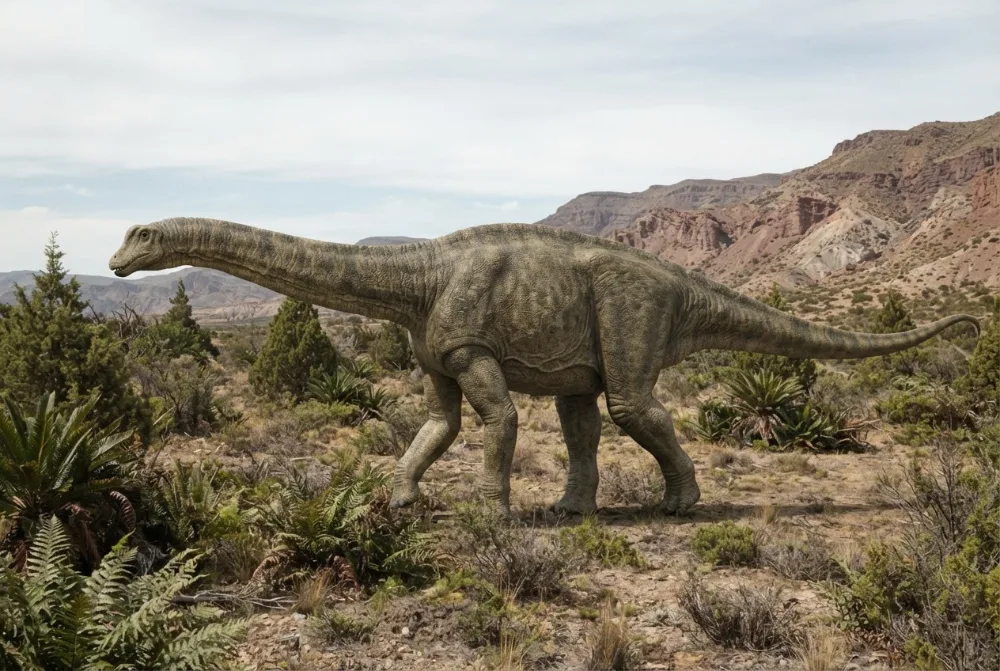
Adult Mussaurus could reach 8 metres (26 ft) long and weigh up to 1.6 metric tons (1.8 short tons).1
Mussaurus is one of the earliest dinosaurs known to have complex social behavior, like living in groups.1
Ibibazo bibazwa cyane kuri Mussaurus
?What did Mussaurus eat?
Mussaurus was an herbivore, meaning it ate plants. It had a long neck to reach leaves and ferns.1
?How big was a baby Mussaurus?
Baby Mussaurus were tiny, about 20 centimetres long and weighing as little as a chicken egg, around 53 to 77 grams.1
?Did Mussaurus live in herds?
Yes, Mussaurus is the earliest dinosaur known to have lived in herds. Scientists found over 100 eggs and 80 skeletons together, showing they lived in age-segregated groups.145
?How fast could Mussaurus run?
Nobody knows for sure, but since adults walked on two legs and were medium-sized, they could probably move at a moderate jogging speed.1
?When did Mussaurus live?
Mussaurus lived about 193 million years ago, during the Early Jurassic period.15
?Why is it called Mussaurus?
Mussaurus means 'mouse lizard' because the first fossils found were tiny babies, about the size of a mouse.1
Gusenya ibinyoma
Ibivugwa: Mussaurus was always a tiny dinosaur.
Ukuri: Only the babies were tiny. Adults grew to be huge, up to 8 metres long.1
Ku bazobereye muri dinozore
- Izina rya siyansi
- Mussaurus
- Yiswe na
- Bonaparte and Vince 19796
- Itsinda
- Izifite amajosi maremare
- Umuryango / ishami
- Sauropodiformes6
- Ishyirwa mu byiciro
- Sauropodomorpha6
- Imyaka y'amabuye
- imyaka miliyoni 200 kugeza 193 (Sinemurian)6
- Inzego z'amabuye
- Laguna Colorada6
- Ibihugu
- Arijantine6
- Ibisigazwa byanditswe
- 2 muri The Paleobiology Database6
- Ivumburwa
- Mussaurus was named by Jose Bonaparte and Martin Vince in 1979. They found tiny skeletons and eggs in the Laguna Colorada Formation in Argentina.23
- Biracyagibwaho impaka
- Scientists are still debating whether Mussaurus is a direct ancestor of the giant sauropods.1
Aho amakuru yakuwe
- Mussaurus (en.wikipedia.org)
- PBDB Taxon (paleobiodb.org)
- A M E G H I N I A N A (naturalhistory.si.edu)
- Earliest evidence of herd-living and age segregation amongst dinosaurs | Scientific Reports (nature.com)
- Fossil bonanza reveals earliest evidence of dinosaurs living in herds | National Geographic (nationalgeographic.com)
- Mussaurus in The Paleobiology Database (CC BY 4.0): imyaka, ahantu, inzego z'amabuye, ishyirwa mu byiciro.
Buri kintu kiri kuri uru rupapuro gifite nimero yerekana aho cyakuwe. Niba hari icyo twibeshye, tubabarire, turi abakunzi ba dinozore, ntituri ikinyamakuru cya siyansi. Tubwire kuri [email protected] tuzagikosora.
 Rex arashonje! Dino Wiki ni umushinga wa papa umwe yakoreye umuhungu we ukunda dinozore, ni ubuntu, nta matangazo kandi nta bigukurikirana. Abantu bakuru bashobora guha Rex akantu ko kurya kugira ngo Dino Wiki ikomeze kuboneka kuri interineti.Gaburira Rex
 Brachiosaurus
 Diplodocus
 Brontosaurus
 Argentinosaurus
 Camarasaurus
 Morosaurus
 Dilophosaurus
 Stenopterygius
 Dorygnathus
 Scutellosaurus
 Sinosaurus
 Temnodontosaurus