 Uri dhino ripi? Kwizi
 Hondo yemadhino
 Mujaho wemadhino
 Mitambo midiki yemadhino
 Arubhamu yemasitika
 Rondedzero dzeTOP dzemadhino
 Ndishamise!
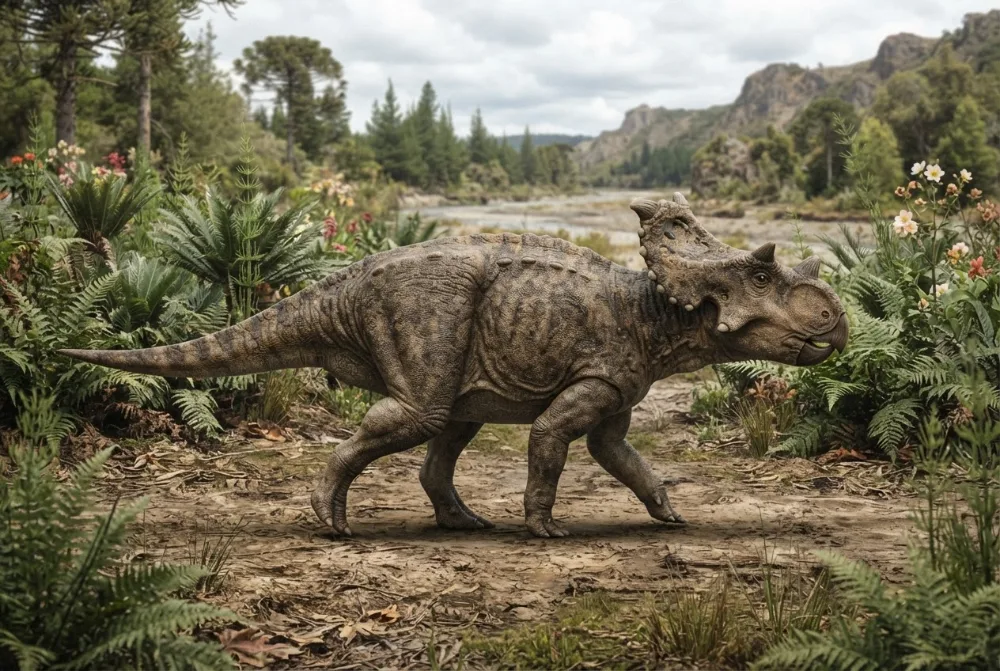
Asiaceratops
Asiaceratops riri muboka: Madhino ane nyanga. Mafosiri aro anobva mumatombo ane makore anenge mamiriyoni 100 kusvika 94.4
Rairarama rini?
Raiva hombe sei?
Raiva refu zvakadii?
 kureba sekatsi dzemumba 4 kubva pamhino kusvika kumuswe🍌kureba semabhanana 11 akatevedzana🏃raigona kumhanya mamita 100 mumasekonzi 10 (munhu anomhanya kupfuura vose anoda 9.6)
Asiaceratops raiva hombe sei kana richienzaniswa NEWE?
Masvomhu chete mubrowser yako. Hapana chinochengetwa kana kutumirwa kupi zvako.
Raimhanya zvakadii?


Zvinonakidza
Asiaceratops is one of the few ceratopsians known from Central Asia, not from North America or China.1
Its name means 'Asian horned face', because it lived in Asia and had a horned face like other ceratopsians.2
The type specimen is a partial skeleton, which is rare for ceratopsians, as many are known only from skulls.1
Scientists think it lived in groups, because the PBDB record lists 'gregarious' behavior.1
It lived during the Cenomanian age, about 100 to 94 million years ago, when dinosaurs like T. rex's ancestors were around.1
The species name 'salsopaludalis' means 'salt marsh', hinting that it lived near salty wetlands.1
Mibvunzo inonyanya kubvunzwa nezve Asiaceratops
?What did Asiaceratops eat?
Asiaceratops was a herbivore, meaning it ate plants. It likely fed on ferns, cycads, and conifers, using its sharp beak to bite off leaves or needles.3
?When did Asiaceratops live?
Asiaceratops lived during the Early to Late Cretaceous, about 100 to 94 million years ago. The type species is known from the early Cenomanian, about 99 million years old.34
?Where was Asiaceratops found?
Asiaceratops fossils were found in Asia. The type species, A. salsopaludalis, comes from Uzbekistan, while A. sulcidens is known from China and Mongolia.3
?Was Asiaceratops a dinosaur?
Yes, Asiaceratops was a dinosaur. It was a ceratopsian, a group of herbivorous dinosaurs with parrot-like beaks.3
Zvevanyanzvi vemadhino
- Zita resainzi
- Asiaceratops
- Akaripa zita:
- Nessov et al. 19894
- Boka
- Madhino ane nyanga
- Mhuri / boka
- Neoceratopsia4
- Kurongwa kwemhuka
- Ornithischia > Ceratopsia4
- Zera rematombo
- makore mamiriyoni 100 kusvika 94 (Cenomanian)4
- Mapoka ematombo
- Khodzhakul4
- Nyika
- Uzbekistan4
- Zvinyorwa zvemafosiri
- 8 mu The Paleobiology Database4
- Kuwanikwa
- It was named by Nessov and colleagues in 1989, based on a partial skeleton found in Uzbekistan.11
- Zvichiri kupokanwa
- Scientists debate whether Asiaceratops is a valid species or a 'nomen dubium', because the fossils are fragmentary.11
Kunobva chokwadi
- PBDB Taxon (paleobiodb.org)
- Asiaceratops Nesov & Kaznyshkina, 1989 (gbif.org)
- Asiaceratops (en.wikipedia.org)
- Asiaceratops in The Paleobiology Database (CC BY 4.0): zera, nzvimbo, mapoka ematombo, kurongwa kwemhuka.
Chokwadi chega chega papeji ino chine nhamba inoratidza kwachakabva. Kana takakanganisa chimwe chinhu, ruregerero, tiri vanoda madhino, kwete magazini yesainzi. Tiudze pa [email protected] tichazvigadzirisa.
 Rex ane nzara! Dino Wiki ipurojekiti yababa yemwanakomana wavo anoda madhino, mahara, pasina kushambadza uye pasina zvinokutevera. Vakuru vanogona kupa Rex chekudyadya kuti vabatsire kuchengeta saiti iri pamhepo.Fudza Rex
 Triceratops
 Protoceratops
 Ojoceratops
 Tatankaceratops
 Psittacosaurus
 Centrosaurus
 Tyrannosaurus
 Velociraptor
 Spinosaurus
 Ankylosaurus
 Parasaurolophus
 Pteranodon