 Uri dhino ripi? Kwizi
 Hondo yemadhino
 Mujaho wemadhino
 Mitambo midiki yemadhino
 Arubhamu yemasitika
 Rondedzero dzeTOP dzemadhino
 Ndishamise!
Barilium
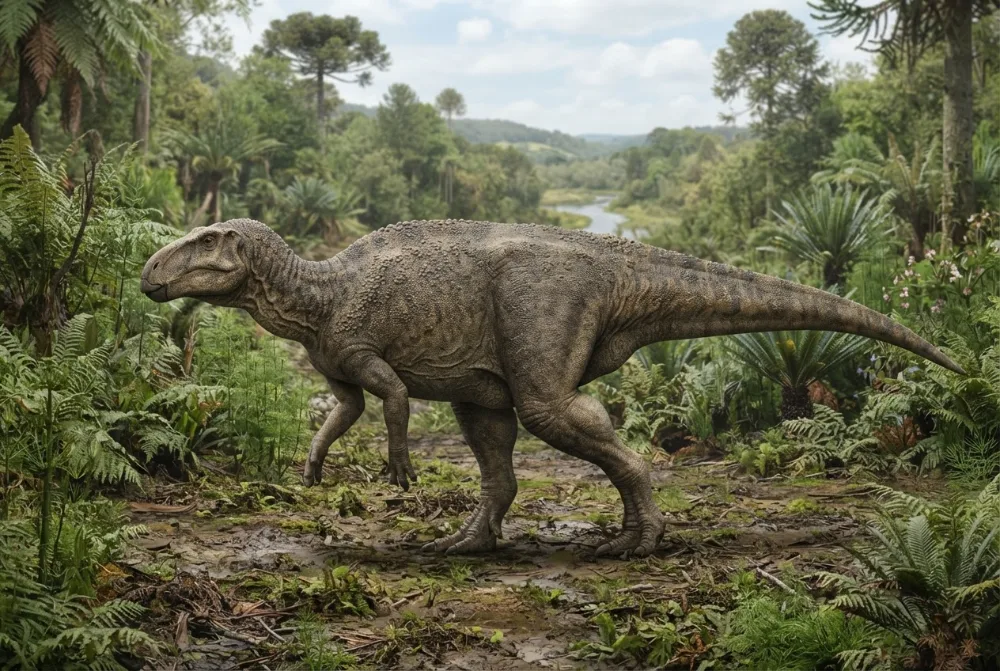
Barilium was a big, plant-eating dinosaur that lived in what is now England. It walked on two legs but could also go on all fours to eat low plants. Its name means 'heavy hip' because of its huge hip bones.3
Rairarama rini?
Raiva hombe sei?
Raiva refu zvakadii?
Raiva rakakwirira zvakadii?
Rairema zvakadii?
 kureba semotokari 2 dzakamiswa dzakatevedzana🍌kureba semabhanana 56 akatevedzana
 kurema seimbwa 200🍉kurema semanwiwa 800🎒kurema semakirasi 5 akazara evana vechikoro🐻❄️kurema semabere echando 9🏃raigona kumhanya mamita 100 mumasekonzi 14 (munhu anomhanya kupfuura vose anoda 9.6)
Barilium raiva hombe sei kana richienzaniswa NEWE?
Masvomhu chete mubrowser yako. Hapana chinochengetwa kana kutumirwa kupi zvako.
Raimhanya zvakadii?


Zvinonakidza
Barilium was first thought to be a species of Iguanodon, called Iguanodon dawsoni, before scientists gave it its own name in 2010.1
Its fossils come from rocks that are between about 137 and 121 million years old, from the Early Cretaceous period.3
Barilium had a very large and strong hip bone (ilium), which is why it was named 'heavy hip'.1
This dinosaur is known from only a few fossils, including parts of the spine, hips, and legs.3
Some scientists think Barilium might be the same as other dinosaurs named Kukufeldia, Sellacoxa, and Torilion, but others disagree.3
Barilium lived alongside other dinosaurs like Hypselospinus and Mantellisaurus in ancient England.1
Mibvunzo inonyanya kubvunzwa nezve Barilium
?How big was Barilium?
About 8 metres (26 feet) long.2
?What did Barilium eat?
It was a plant-eater (herbivore).3
?When did Barilium live?
It lived during the Early Cretaceous period, about 133 million years ago.2
?Where was Barilium found?
Its fossils were found near St Leonards-on-Sea in East Sussex, England.2
Mubvisi wengano
Ngano: Barilium is just a copy of Iguanodon and not a real dinosaur.
Chokwadi: Barilium is a distinct dinosaur, with unique hip bones that set it apart from Iguanodon and other relatives.1
Zvevanyanzvi vemadhino
- Zita resainzi
- Barilium
- Akaripa zita:
- Norman 20103
- Boka
- Vanodya miriwo vane miromo
- Mhuri / boka
- Iguanodontidae3
- Kurongwa kwemhuka
- Ornithischia > Ornithopoda > Iguanodontia3
- Zera rematombo
- makore mamiriyoni 137 kusvika 121 (Valanginian / Barremian)3
- Mapoka ematombo
- Wadhurst Clay, Weald Clay, Tunbridge Wells Sand3
- Nyika
- United Kingdom3
- Zvinyorwa zvemafosiri
- 5 mu The Paleobiology Database3
- Rinonziwo
- Kukufeldia, Sellacoxa, Torilion (mazita ekare zvino oonekwa semhuka imwe chete)3
- Kuwanikwa
- The first fossils of Barilium were found in the 1800s and named Iguanodon dawsoni by Richard Lydekker in 1888. In 2010, David B. Norman gave it the new name Barilium after studying the bones more closely.1
- Zvichiri kupokanwa
- Scientists are not sure if Barilium is exactly the same as other dinosaurs named Kukufeldia, Sellacoxa, and Torilion, or if they are different species.3
Kunobva chokwadi
- A taxonomy of iguanodontians (Dinosauria: Ornithopoda) from the lower Wealden Group (Cretaceous: Valanginian) of southern England | Zootaxa (biotaxa.org)
- Barilium (en.wikipedia.org)
- Barilium in The Paleobiology Database (CC BY 4.0): zera, nzvimbo, mapoka ematombo, kurongwa kwemhuka.
Chokwadi chega chega papeji ino chine nhamba inoratidza kwachakabva. Kana takakanganisa chimwe chinhu, ruregerero, tiri vanoda madhino, kwete magazini yesainzi. Tiudze pa [email protected] tichazvigadzirisa.
 Rex ane nzara! Dino Wiki ipurojekiti yababa yemwanakomana wavo anoda madhino, mahara, pasina kushambadza uye pasina zvinokutevera. Vakuru vanogona kupa Rex chekudyadya kuti vabatsire kuchengeta saiti iri pamhepo.Fudza Rex
 Iguanodon
 Tenontosaurus
 Thescelosaurus
 Zalmoxes
 Camptosaurus
 Rhabdodon
 Stegosaurus
 Archaeopteryx
 Giganotosaurus
 Microraptor
 Deinonychus
 Baryonyx