 Uri dhino ripi? Kwizi
 Hondo yemadhino
 Mujaho wemadhino
 Mitambo midiki yemadhino
 Arubhamu yemasitika
 Rondedzero dzeTOP dzemadhino
 Ndishamise!
Rairarama rini?

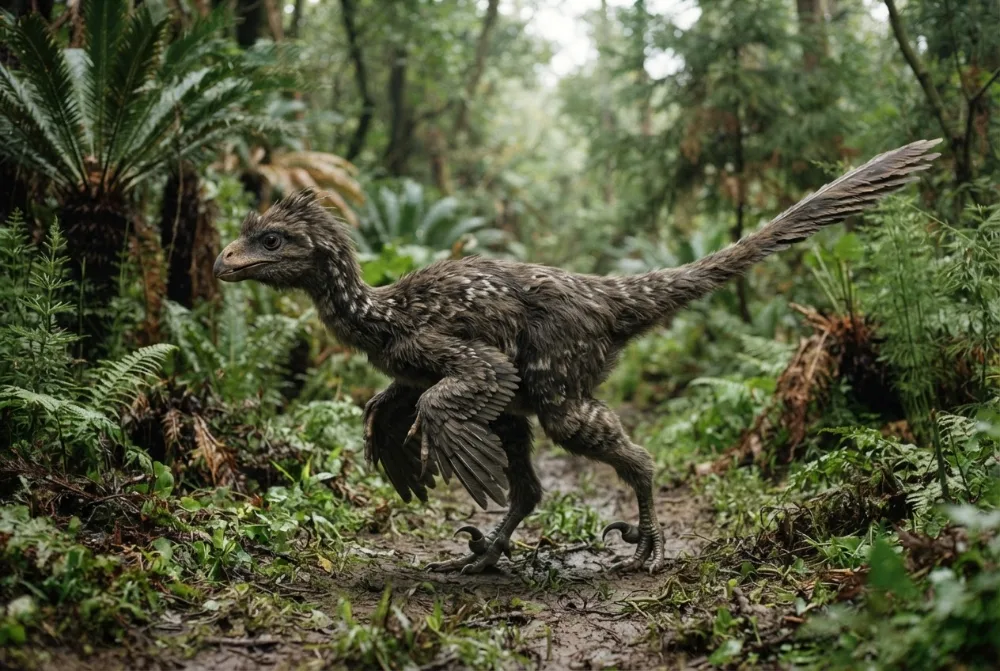
Raiva hombe sei?
Raiva refu zvakadii?
Raiva rakakwirira zvakadii?
Rairema zvakadii?

 kureba seimbwa 8 kubva pamhino kusvika kumuswe🍌kureba semabhanana 42 akatevedzanakurema seimbwa 100🍉kurema semanwiwa 400🎒kurema semakirasi 2.5 akazara evana vechikoro🐻❄️kurema semabere echando 4🏃raigona kumhanya mamita 100 mumasekonzi 12 (munhu anomhanya kupfuura vose anoda 9.6)
Beibeilong raiva hombe sei kana richienzaniswa NEWE?
Masvomhu chete mubrowser yako. Hapana chinochengetwa kana kutumirwa kupi zvako.
Raimhanya zvakadii?


Zvinonakidza
Beibeilong laid the largest known dinosaur eggs, each over 40 centimeters long.1
The baby skeleton is only 23 centimeters long, but it was probably an embryo that had just hatched.1
Its name means 'baby dragon' in Chinese, because the fossil was nicknamed 'Baby Louie'.1
Beibeilong is the first caenagnathid dinosaur known from both eggs and bones together.1
The eggs were so big that the baby would have fit inside with room to spare, taking up only about two-thirds of the egg's volume.1
Mibvunzo inonyanya kubvunzwa nezve Beibeilong
?Was Beibeilong a dinosaur?
Yes, Beibeilong was a type of dinosaur called a caenagnathid, which is part of the oviraptorosaur group. It lived in China during the Late Cretaceous period, about 96 to 88 million years ago.2
?How big was Beibeilong?
Beibeilong was a huge dinosaur, about 7.5 metres long and weighed around 1.5 to 2 metric tons. That is as big as some of the largest oviraptorosaurs.21
?What did Beibeilong eat?
Beibeilong had a toothless beak like a bird, so it probably ate plants and small animals. Scientists think it used its beak to bite and crush food.2
?Did Beibeilong have feathers?
Yes, Beibeilong was a feathered dinosaur. It looked a bit like a giant bird, with feathers covering its body.4
Mubvisi wengano
Ngano: Some people think Beibeilong was a bird because it had feathers and a beak.
Chokwadi: Beibeilong was a dinosaur, not a bird, even though it is closely related to birds.1
Zvevanyanzvi vemadhino
- Zita resainzi
- Beibeilong
- Akaripa zita:
- Pu et al. 20175
- Boka
- Madhino ane minhenga anoshamisa
- Mhuri / boka
- Caenagnathidae5
- Kurongwa kwemhuka
- Theropoda > Oviraptorosauria5
- Zera rematombo
- makore mamiriyoni 100 kusvika 90 (Cenomanian / Turonian)5
- Mapoka ematombo
- Gaogou5
- Nyika
- China5
- Zvinyorwa zvemafosiri
- 1 mu The Paleobiology Database5
- Kuwanikwa
- The fossil was found in China, but it was illegally taken out of the country. It was brought back, and scientists named it Beibeilong sinensis in 2017.1
- Zvichiri kupokanwa
- Scientists are still not sure exactly how big an adult Beibeilong was, because only a baby skeleton has been found.1
Kunobva chokwadi
- Perinate and eggs of a giant caenagnathid dinosaur from the Late Cretaceous of central China | Nature Communications (nature.com)
- Beibeilong (en.wikipedia.org)
- Smuggled dino eggs gave birth to ‘baby dragons' (science.org)
- 'Baby Dragon' Dinosaur Found Inside Giant Egg | National Geographic (nationalgeographic.com)
- Beibeilong in The Paleobiology Database (CC BY 4.0): zera, nzvimbo, mapoka ematombo, kurongwa kwemhuka.
Chokwadi chega chega papeji ino chine nhamba inoratidza kwachakabva. Kana takakanganisa chimwe chinhu, ruregerero, tiri vanoda madhino, kwete magazini yesainzi. Tiudze pa [email protected] tichazvigadzirisa.
 Rex ane nzara! Dino Wiki ipurojekiti yababa yemwanakomana wavo anoda madhino, mahara, pasina kushambadza uye pasina zvinokutevera. Vakuru vanogona kupa Rex chekudyadya kuti vabatsire kuchengeta saiti iri pamhepo.Fudza Rex
 Therizinosaurus
 Oviraptor
 Chirostenotes
 Citipes
 Leptorhynchos
 Avimimus
 Tyrannosaurus
 Triceratops
 Velociraptor
 Spinosaurus
 Ankylosaurus
 Parasaurolophus