 Uri dhino ripi? Kwizi
 Hondo yemadhino
 Mujaho wemadhino
 Mitambo midiki yemadhino
 Arubhamu yemasitika
 Rondedzero dzeTOP dzemadhino
 Ndishamise!
Bravoceratops
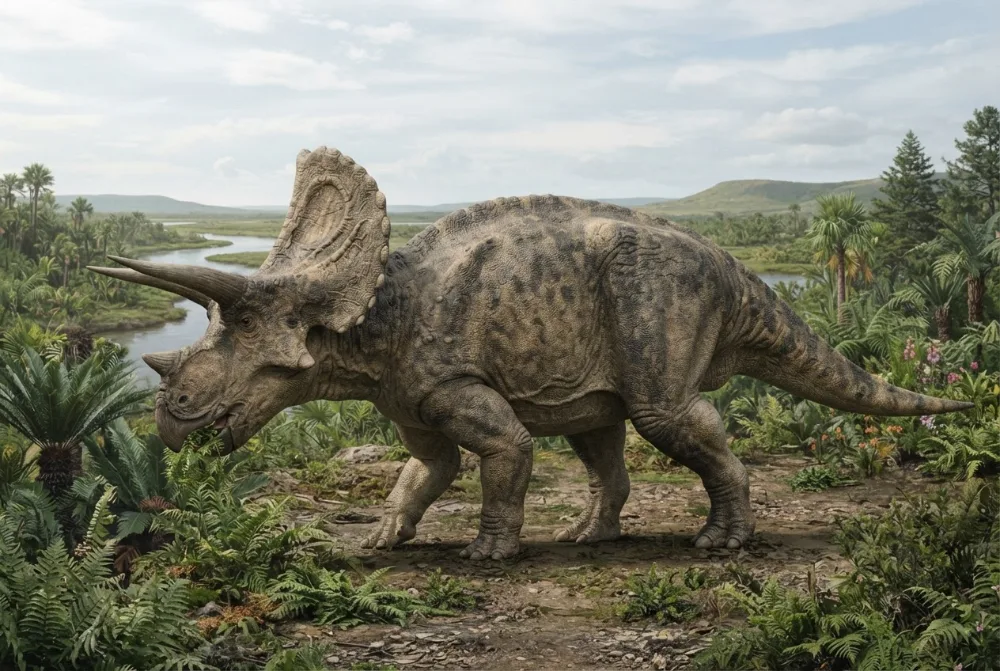
Bravoceratops was a big, plant-eating dinosaur with a huge frill on its head and a beak like a parrot. It lived in what is now Texas, USA, about 70 million years ago. This dinosaur is known from just one skull, but it helps scientists understand how horned dinosaurs changed over time.1
Rairarama rini?
Raiva hombe sei?
Raiva refu zvakadii?
Raiva rakakwirira zvakadii?
fungidziro
 kureba semotokari 2 dzakamiswa dzakatevedzana🍌kureba semabhanana 56 akatevedzana🏃raigona kumhanya mamita 100 mumasekonzi 19 (munhu anomhanya kupfuura vose anoda 9.6)
Bravoceratops raiva hombe sei kana richienzaniswa NEWE?
Masvomhu chete mubrowser yako. Hapana chinochengetwa kana kutumirwa kupi zvako.
Raimhanya zvakadii?


Zvinonakidza
Bravoceratops had a fan-shaped bone in the middle of its frill with a hollow spot that looked like a single eye, which is why it was named after the cyclops Polyphemus.1
Its name comes from the Rio Bravo del Norte, the Mexican name for the Rio Grande river.1
The only known fossil of Bravoceratops was found in Big Bend National Park in Texas.1
Bravoceratops lived during the Maastrichtian age, about 70 million years ago, near the end of the dinosaur era.1
Some scientists think Bravoceratops might be the same as another dinosaur, but others say it is a valid genus with unique features.1
Bravoceratops had two brow horns that were taller than they were wide, not round like in some other horned dinosaurs.1
Mibvunzo inonyanya kubvunzwa nezve Bravoceratops
?How big was Bravoceratops?
Bravoceratops was one of the largest chasmosaurine horned dinosaurs. Its skull was about 2.1 metres long, and its brow horns were each over 0.9 metres long. It was similar in size to Triceratops, which weighed up to about 6,800 kilograms.3
?What did Bravoceratops eat?
Bravoceratops was a plant-eater. It had a beak like a parrot for snipping plants.1
?When did Bravoceratops live?
Bravoceratops lived about 70 million years ago, during the Late Cretaceous period.1
Mubvisi wengano
Ngano: Bravoceratops had a single horn on its frill like a cyclops eye.
Chokwadi: The hollow spot on its frill was probably the base for a small horn, but the horn itself is not preserved in the fossil.1
Zvevanyanzvi vemadhino
- Zita resainzi
- Bravoceratops
- Akaripa zita:
- Wick and Lehman 20134
- Boka
- Madhino ane nyanga
- Mhuri / boka
- Ceratopsidae4
- Kurongwa kwemhuka
- Ornithischia > Ceratopsia > Ceratopsidae4
- Zera rematombo
- makore mamiriyoni 72 kusvika 66 (Maastrichtian)4
- Mapoka ematombo
- Javelina4
- Nyika
- Amerika4
- Zvinyorwa zvemafosiri
- 1 mu The Paleobiology Database4
- Kuwanikwa
- Bravoceratops was named by Steven L. Wick and Thomas M. Lehman in 2013 based on a skull found in the Javelina Formation of Texas.1
- Zvichiri kupokanwa
- Scientists are not sure if Bravoceratops is a valid genus or if its fossil was reconstructed upside down, making it a nomen dubium.1
Kunobva chokwadi
- Bravoceratops (en.wikipedia.org)
- PBDB Taxon (paleobiodb.org)
- Horned Dinosaur Discovery - Big Bend National Park (U.S. National Park Service) (nps.gov)
- Bravoceratops in The Paleobiology Database (CC BY 4.0): zera, nzvimbo, mapoka ematombo, kurongwa kwemhuka.
Chokwadi chega chega papeji ino chine nhamba inoratidza kwachakabva. Kana takakanganisa chimwe chinhu, ruregerero, tiri vanoda madhino, kwete magazini yesainzi. Tiudze pa [email protected] tichazvigadzirisa.
 Rex ane nzara! Dino Wiki ipurojekiti yababa yemwanakomana wavo anoda madhino, mahara, pasina kushambadza uye pasina zvinokutevera. Vakuru vanogona kupa Rex chekudyadya kuti vabatsire kuchengeta saiti iri pamhepo.Fudza Rex
 Triceratops
 Protoceratops
 Ojoceratops
 Tatankaceratops
 Psittacosaurus
 Centrosaurus
 Tyrannosaurus
 Velociraptor
 Spinosaurus
 Ankylosaurus
 Parasaurolophus
 Pteranodon