 Uri dhino ripi? Kwizi
 Hondo yemadhino
 Mujaho wemadhino
 Mitambo midiki yemadhino
 Arubhamu yemasitika
 Rondedzero dzeTOP dzemadhino
 Ndishamise!
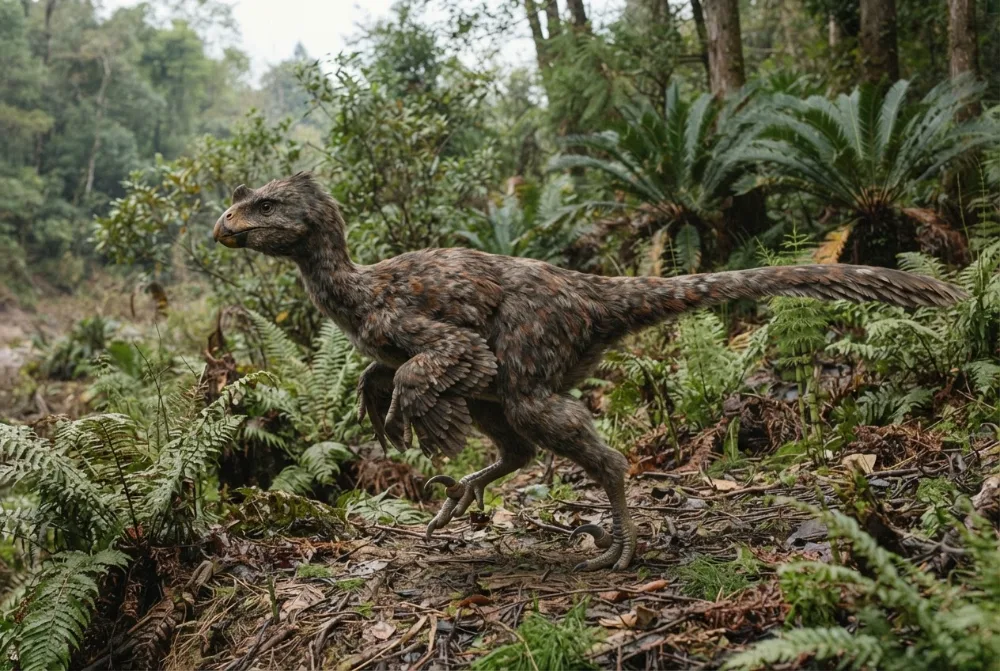
Ganzhousaurus
Ganzhousaurus was a small, bird-like dinosaur that lived in southern China near the end of the Age of Dinosaurs. It had a beaky mouth and probably used its strong claws and teeth to eat plants, seeds, and maybe even small animals.14
Rairarama rini?
Raiva hombe sei?
Raiva refu zvakadii?
Raiva rakakwirira zvakadii?
fungidziro
 kureba sekatsi dzemumba 4 kubva pamhino kusvika kumuswe🍌kureba semabhanana 11 akatevedzana🏃raigona kumhanya mamita 100 mumasekonzi 8 (munhu anomhanya kupfuura vose anoda 9.6)
Ganzhousaurus raiva hombe sei kana richienzaniswa NEWE?
Masvomhu chete mubrowser yako. Hapana chinochengetwa kana kutumirwa kupi zvako.
Raimhanya zvakadii?


Zvinonakidza
Ganzhousaurus lived alongside at least four other oviraptorid dinosaurs, including Banji long and Nankangia jiangxiensis, all in the same area.1
Its lower jaw had a shallow groove and a special window (the external mandibular fenestra) that was split into two parts by a bone.2
The name Ganzhousaurus means 'Ganzhou lizard' after the city in China where its fossils were found.1
Ganzhousaurus lived during the very end of the Cretaceous Period, about 72 to 66 million years ago.1
Scientists are not sure exactly where Ganzhousaurus fits in the oviraptorid family tree; some think it is related to Oviraptor, others to the 'ingeniine' group.1
This dinosaur probably had feathers, like many of its oviraptorid relatives, helping it stay warm and maybe even show off.1
Mibvunzo inonyanya kubvunzwa nezve Ganzhousaurus
?How big was Ganzhousaurus?
Its exact size is not known from the sources, but it was a small oviraptorid dinosaur, similar in size to other members of its group.12
?What did Ganzhousaurus eat?
Ganzhousaurus was probably mostly herbivorous, eating plants and seeds with its beaky mouth and strong claws.1
?Did Ganzhousaurus have feathers?
Yes, like many of its oviraptorid relatives, Ganzhousaurus probably had feathers to keep warm and maybe for display.1
Mubvisi wengano
Ngano: Some people think all oviraptorids were egg thieves.
Chokwadi: Ganzhousaurus and its relatives probably ate plants and small animals, not just eggs. Their beaks were well-suited for crushing seeds and tough plants.1
Zvevanyanzvi vemadhino
- Zita resainzi
- Ganzhousaurus
- Akaripa zita:
- Wang et al. 20134
- Boka
- Madhino ane minhenga anoshamisa
- Mhuri / boka
- Oviraptoridae4
- Kurongwa kwemhuka
- Theropoda > Oviraptorosauria4
- Zera rematombo
- makore mamiriyoni 72 kusvika 66 (Maastrichtian)4
- Nyika
- China4
- Zvinyorwa zvemafosiri
- 1 mu The Paleobiology Database4
- Kuwanikwa
- Ganzhousaurus was named in 2013 by scientists Shuo Wang, Chengkai Sun, Corwin Sullivan, and Xing Xu, based on a single skeleton found in the Nanxiong Formation of southern China.12
- Zvichiri kupokanwa
- Scientists still debate whether Ganzhousaurus was more closely related to Oviraptor or to the 'ingeniine' group of oviraptorids.1
Kunobva chokwadi
- Ganzhousaurus (en.wikipedia.org)
- A new oviraptorid (Dinosauria: Theropoda) from the Upper Cretaceous of southern China (mapress.com)
- Ganzhousaurus - (dinosanddesigns.com)
- Ganzhousaurus in The Paleobiology Database (CC BY 4.0): zera, nzvimbo, mapoka ematombo, kurongwa kwemhuka.
Chokwadi chega chega papeji ino chine nhamba inoratidza kwachakabva. Kana takakanganisa chimwe chinhu, ruregerero, tiri vanoda madhino, kwete magazini yesainzi. Tiudze pa [email protected] tichazvigadzirisa.
 Rex ane nzara! Dino Wiki ipurojekiti yababa yemwanakomana wavo anoda madhino, mahara, pasina kushambadza uye pasina zvinokutevera. Vakuru vanogona kupa Rex chekudyadya kuti vabatsire kuchengeta saiti iri pamhepo.Fudza Rex
 Therizinosaurus
 Oviraptor
 Chirostenotes
 Citipes
 Leptorhynchos
 Avimimus
 Tyrannosaurus
 Triceratops
 Velociraptor
 Spinosaurus
 Ankylosaurus
 Parasaurolophus