 Uri dhino ripi? Kwizi
 Hondo yemadhino
 Mujaho wemadhino
 Mitambo midiki yemadhino
 Arubhamu yemasitika
 Rondedzero dzeTOP dzemadhino
 Ndishamise!
Ischioceratops
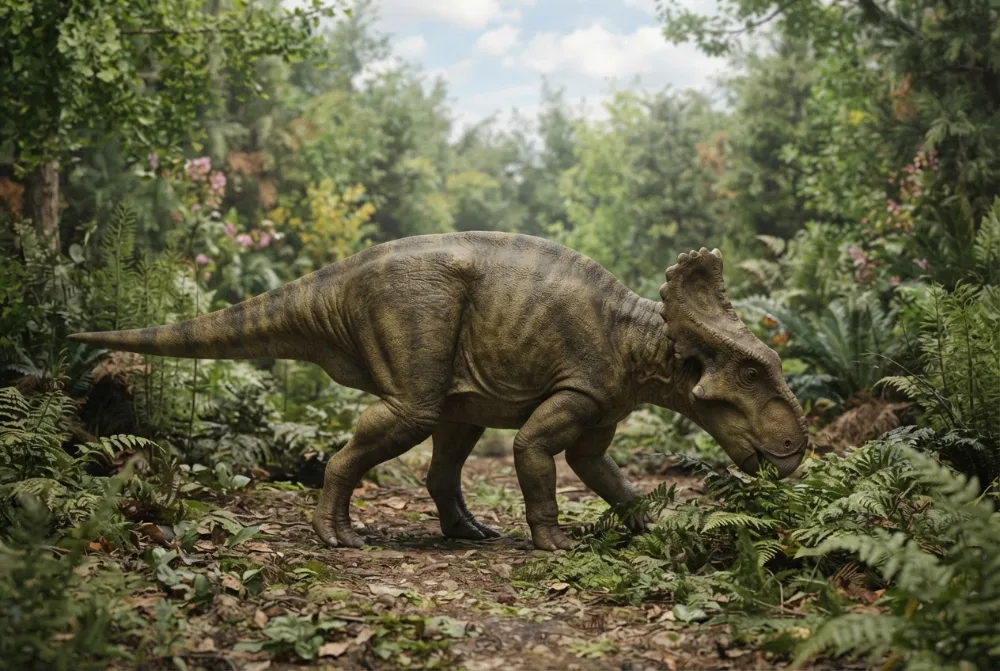
Ischioceratops was a small, plant-eating dinosaur that lived in what is now China. It had a short frill on its head and no horns, unlike its bigger cousin Triceratops. Its most unusual feature was a hip bone shaped like a bow and arrow.1
Rairarama rini?
Raiva hombe sei?
Raiva refu zvakadii?
Raiva rakakwirira zvakadii?
fungidziro
 kureba sekatsi dzemumba 4 kubva pamhino kusvika kumuswe🍌kureba semabhanana 11 akatevedzana🏃raigona kumhanya mamita 100 mumasekonzi 9.7 (munhu anomhanya kupfuura vose anoda 9.6)
Ischioceratops raiva hombe sei kana richienzaniswa NEWE?
Masvomhu chete mubrowser yako. Hapana chinochengetwa kana kutumirwa kupi zvako.
Raimhanya zvakadii?


Zvinonakidza
Ischioceratops is known only from a partial skeleton that includes the pelvis, tail bones, and parts of the legs. No skull has been found yet.1
Its ischium (a hip bone) is unlike any other dinosaur's. It flares out in the middle like a recurve bow and has a hole called a fenestra, ending in an axehead-shaped tip.1
Ischioceratops lived during the Campanian stage of the Late Cretaceous, about 83 to 72 million years ago.2
It was a leptoceratopsid, a group of small, hornless, frilled dinosaurs that walked on four legs. Leptoceratopsids are close relatives of the larger horned dinosaurs like Triceratops.1
The fossil was found in the same bonebed as many hadrosaur (duck-billed dinosaur) bones and a tyrannosaur, suggesting a rich ecosystem.1
Ischioceratops had nine sacral vertebrae (hip vertebrae), more than any other known leptoceratopsid.1
Zvevanyanzvi vemadhino
- Zita resainzi
- Ischioceratops
- Akaripa zita:
- He et al. 20154
- Boka
- Madhino ane nyanga
- Mhuri / boka
- Leptoceratopsidae4
- Kurongwa kwemhuka
- Ornithischia > Ceratopsia4
- Zera rematombo
- makore mamiriyoni 84 kusvika 72 (Campanian)4
- Mapoka ematombo
- Hongtuya4
- Nyika
- China4
- Zvinyorwa zvemafosiri
- 1 mu The Paleobiology Database4
- Kuwanikwa
- Ischioceratops was named in 2015 by a team of scientists including He Y., Makovicky P.J., and others. The only specimen was dug up from the Kugou locality in Zhucheng, China, and is stored at the Zhucheng Dinosaur Museum.12
- Zvichiri kupokanwa
- Scientists are not sure what the strange shape of its ischium was used for. It might have been for muscle attachment or display, but no one knows for certain.1
Kunobva chokwadi
- A New Leptoceratopsid (Ornithischia, Ceratopsia) with a Unique Ischium from the Upper Cretaceous of Shandong Province, China | PLOS One (journals.plos.org)
- PBDB Taxon (paleobiodb.org)
- Ischioceratops (en.wikipedia.org)
- Ischioceratops in The Paleobiology Database (CC BY 4.0): zera, nzvimbo, mapoka ematombo, kurongwa kwemhuka.
Chokwadi chega chega papeji ino chine nhamba inoratidza kwachakabva. Kana takakanganisa chimwe chinhu, ruregerero, tiri vanoda madhino, kwete magazini yesainzi. Tiudze pa [email protected] tichazvigadzirisa.
 Rex ane nzara! Dino Wiki ipurojekiti yababa yemwanakomana wavo anoda madhino, mahara, pasina kushambadza uye pasina zvinokutevera. Vakuru vanogona kupa Rex chekudyadya kuti vabatsire kuchengeta saiti iri pamhepo.Fudza Rex
 Triceratops
 Protoceratops
 Ojoceratops
 Tatankaceratops
 Psittacosaurus
 Centrosaurus
 Tyrannosaurus
 Velociraptor
 Spinosaurus
 Ankylosaurus
 Parasaurolophus
 Pteranodon