 Woyɛ dino bɛn? Nsɛmmisa agoro
 Dino ko
 Dino mmirikatuo
 Dino agodie nketewa
 Stika nwoma
 Dino TOP nhyehyɛeɛ
 Ma me nwanwa!
Campylognathoides
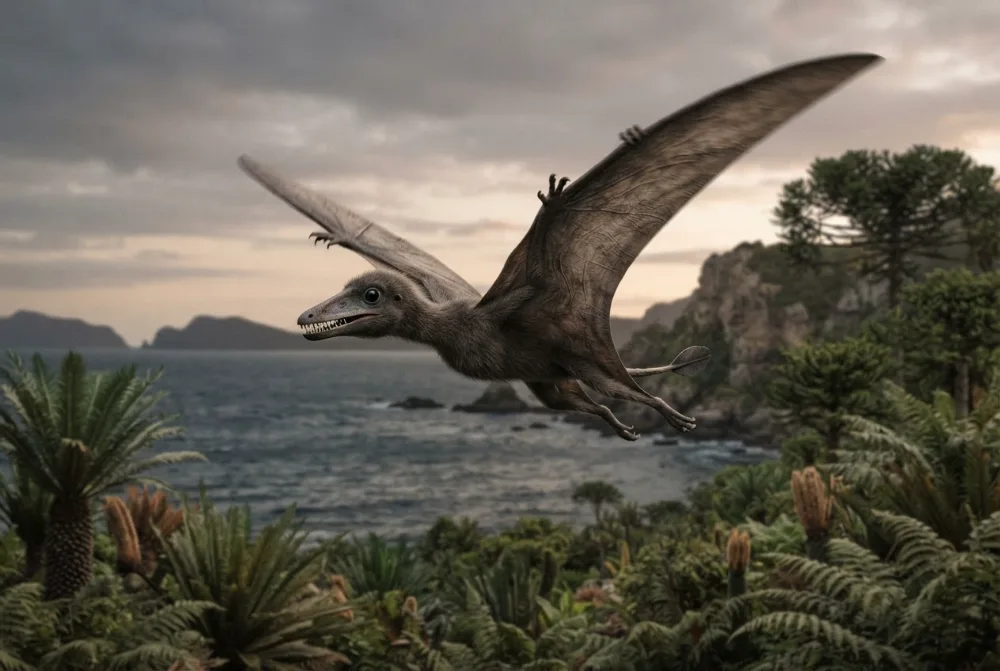
Campylognathoides was a small flying reptile that lived in the Early Jurassic, about 182 million years ago. It had long, narrow wings and a short tail, and it probably hunted at night for squid-like animals called belemnoids.12
Berɛ bɛn na ɛtenaa ase?
Na ne kɛseɛ yɛ sɛn?
Na ne ntaban trɛ sɛn?
 ne tenten te sɛ fie agyinamoa 4 firi hwene kɔsi dua⚽anka ɔbɛtumi atu atwa bɔɔlobɔ prama mũ wɔ sikɛn 8.4 mu
Campylognathoides kɛseɛ yɛ sɛn sɛ wode toto WO ho a?
Akontaa nko ara wɔ wo browser mu. Yɛnkora biribiara so, na yɛmmfa biribiara nkɔ baabiara.
Na ɛyɛ ntɛm sɛn?


Nsɛm a ɛyɛ anigye
Campylognathoides is the only pterosaur known to have eaten belemnoids. Scientists found hooklets from these squid-like animals in its stomach.2
Because belemnoids migrated to the surface at night, Campylognathoides may have hunted in the dark, like some modern bats and falcons.2
The first fossils of Campylognathoides were just wing fragments. Later, much better skeletons were found in the Holzmaden shale.1
Its original name, Campylognathus, was already used for a bug. So in 1928, the name was changed to Campylognathoides.1
Campylognathoides lived in a shallow sea. Its fossils are found in marine rocks, but it flew over the water to catch its prey.12
Scientists think Campylognathoides had a fast, agile flight, similar to falcons and mastiff bats that catch food while flying.1
Nsɛm a wɔbisa bebree fa Campylognathoides ho
?How big was Campylognathoides?
It was quite small. The larger species, C. zitteli, had a wingspan of about 1.75 metres (5.7 feet), and the smaller species, C. liasicus, had a wingspan of around 0.9 metres (3 feet).1
?Was Campylognathoides a dinosaur?
No, it was a pterosaur, a type of flying reptile that lived alongside dinosaurs but is not a dinosaur itself.1
?What did Campylognathoides eat?
It ate squid-like animals called belemnoids. Scientists found hooklets from a belemnoid called Clarkeiteuthis conocauda in its stomach.2
Ma dino ho animdefoɔ
- Nyansahu din
- Campylognathoides
- Obi a ɔtoo din
- Strand 19283
- Kuo
- Wim mmoa a wɔwea
- Abusua / kuo kɛseɛ
- Campylognathoididae3
- Nkyekyɛmu
- Pterosauria3
- Abotan no mfeɛ
- mfeɛ ɔpepem 184 kɔsi 183 (Toarcian)3
- Abotan nhyehyɛeɛ
- Posidonia Shale3
- Aman
- Gyaaman3
- Fɔsil nkyerɛwee
- 12 wɔ The Paleobiology Database mu3
- Nhunumu
- The first specimen was described by Felix Plieninger in 1894 as Campylognathus zitteli, based on wing fragments from Germany. In 1928, Embrik Strand renamed it Campylognathoides because the old name was already taken.1
- Wɔda so gye ho akyinnye
- Scientists are not sure if Campylognathoides hunted only at night or also during the day. The idea of nocturnal hunting is still being studied.2
Baabi a nsɛm no firi
- Campylognathoides (en.wikipedia.org)
- Dietary tendencies of the Early Jurassic pterosaurs Campylognathoides Strand, 1928, and Dorygnathus (dinodata.de)
- Campylognathoides in The Paleobiology Database (CC BY 4.0): mfeɛ, mmeaeɛ, abotan nhyehyɛeɛ, nkyekyɛmu.
Asɛm biara a ɛwɔ krataafa yi so wɔ nɔma a ɛkyerɛ baabi a ɛfiri. Sɛ yɛfom biribi a, kafra, yɛyɛ dino dɔfoɔ, yɛnyɛ nyansahu nsɛmma krataa. Ka kyerɛ yɛn wɔ [email protected] na yɛbɛsiesie.
 Ɔkɔm de Rex! Dino Wiki yɛ agya bi adwuma a ɔyɛɛ maa ne babarima a ɔdɔ dino. Ɛyɛ kwa, dawurubɔ biara nni mu, akyidifoɔ biara nni mu. Mpanimfoɔ bɛtumi ama Rex aduane kakra, na aboa ama Dino Wiki atena intanɛt so.Ma Rex aduane
 Pteranodon
 Quetzalcoatlus
 Dorygnathus
 Rhamphorhynchus
 Anhanguera
 Pterodactylus
 Dilophosaurus
 Stenopterygius
 Lufengosaurus
 Scutellosaurus
 Yunnanosaurus
 Sinosaurus