 Woyɛ dino bɛn? Nsɛmmisa agoro
 Dino ko
 Dino mmirikatuo
 Dino agodie nketewa
 Stika nwoma
 Dino TOP nhyehyɛeɛ
 Ma me nwanwa!
Castignovolucris
Castignovolucris was a big, ancient bird that lived in what is now France, about 74 to 72 million years ago. It was one of the largest enantiornithine birds ever found, maybe as big as a Canada goose. It had strong wings and could fly.21
Berɛ bɛn na ɛtenaa ase?
Na ne kɛseɛ yɛ sɛn?
Na ne tenten yɛ sɛn?
Na ne korɔn yɛ sɛn?
nsusuiɛ
 ne tenten te sɛ fie agyinamoa 2 firi hwene kɔsi dua🍌ne tenten te sɛ kwadu 6 a wɔde abɔ toatoa so⚽anka ɔbɛtumi atu atwa bɔɔlobɔ prama mũ wɔ sikɛn 8.2 mu
Castignovolucris kɛseɛ yɛ sɛn sɛ wode toto WO ho a?
Akontaa nko ara wɔ wo browser mu. Yɛnkora biribiara so, na yɛmmfa biribiara nkɔ baabiara.
Na ɛyɛ ntɛm sɛn?


Nsɛm a ɛyɛ anigye
Castignovolucris is known from just one bone, a right coracoid (a shoulder bone).2
This bird lived on the Ibero-Armorican island, which was a large island in what is now Europe during the Late Cretaceous.1
The fossil was found by a man named Stéphane Sèbe in the 1990s and later donated to the Musée de Cruzy.1
Castignovolucris was one of the largest enantiornithine birds, a group of ancient birds that had teeth and claws on their wings.1
The name Castignovolucris means 'Castigno valley bird' after the place where it was found.1
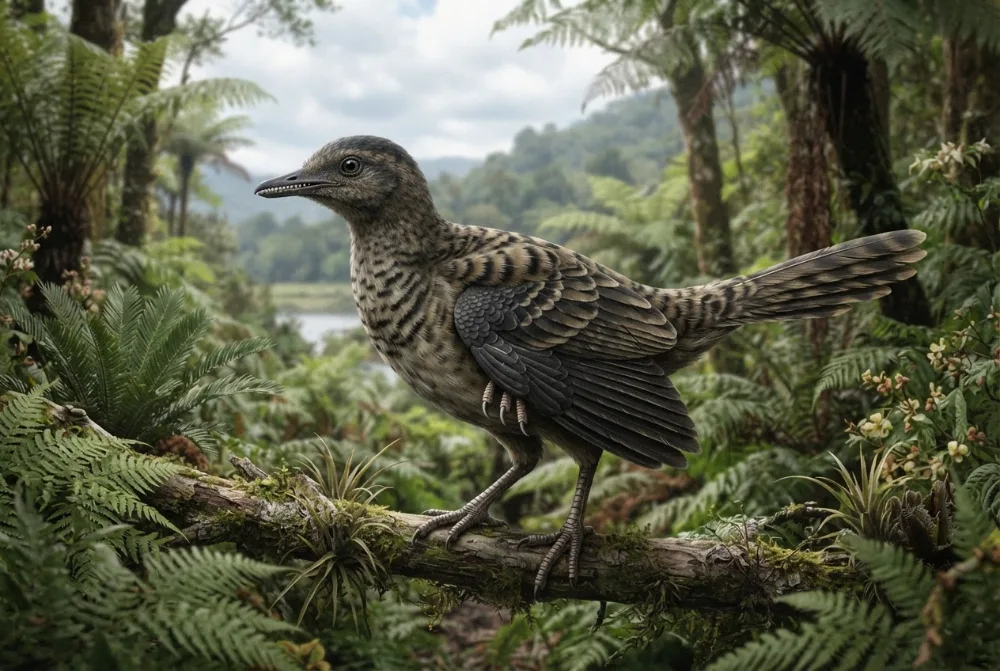
Ma dino ho animdefoɔ
- Nyansahu din
- Castignovolucris
- Obi a ɔtoo din
- Buffetaut et al. 20233
- Kuo
- Nnomaa a wɔdii kan
- Abusua / kuo kɛseɛ
- Enantiornithes3
- Nkyekyɛmu
- Theropoda > Avialae3
- Abotan no mfeɛ
- mfeɛ ɔpepem 84 kɔsi 66 (Campanian / Maastrichtian)3
- Abotan nhyehyɛeɛ
- Saint-Chinian3
- Aman
- Frɛnse3
- Fɔsil nkyerɛwee
- 1 wɔ The Paleobiology Database mu3
- Nhunumu
- Castignovolucris was named and described in 2023 by paleontologists Eric Buffetaut, Delphine Angst, and Haiyan Tong, based on a single shoulder bone found in southern France.13
- Wɔda so gye ho akyinnye
- Scientists are not sure about the exact size of Castignovolucris because only one bone has been found. The wingspan and length are estimates.1
Baabi a nsɛm no firi
- Castignovolucris (en.wikipedia.org)
- A new enantiornithine bird from Upper Cretaceous non-marine deposits at Villespassans (Hérault, southern France) - ADS (ui.adsabs.harvard.edu)
- Castignovolucris in The Paleobiology Database (CC BY 4.0): mfeɛ, mmeaeɛ, abotan nhyehyɛeɛ, nkyekyɛmu.
Asɛm biara a ɛwɔ krataafa yi so wɔ nɔma a ɛkyerɛ baabi a ɛfiri. Sɛ yɛfom biribi a, kafra, yɛyɛ dino dɔfoɔ, yɛnyɛ nyansahu nsɛmma krataa. Ka kyerɛ yɛn wɔ [email protected] na yɛbɛsiesie.
 Ɔkɔm de Rex! Dino Wiki yɛ agya bi adwuma a ɔyɛɛ maa ne babarima a ɔdɔ dino. Ɛyɛ kwa, dawurubɔ biara nni mu, akyidifoɔ biara nni mu. Mpanimfoɔ bɛtumi ama Rex aduane kakra, na aboa ama Dino Wiki atena intanɛt so.Ma Rex aduane
 Archaeopteryx
 Hesperornis
 Ichthyornis
 Baptornis
 Jurapteryx
 Gobipteryx
 Tyrannosaurus
 Triceratops
 Velociraptor
 Spinosaurus
 Ankylosaurus
 Parasaurolophus