 Woyɛ dino bɛn? Nsɛmmisa agoro
 Dino ko
 Dino mmirikatuo
 Dino agodie nketewa
 Stika nwoma
 Dino TOP nhyehyɛeɛ
 Ma me nwanwa!
Cimoliopterus
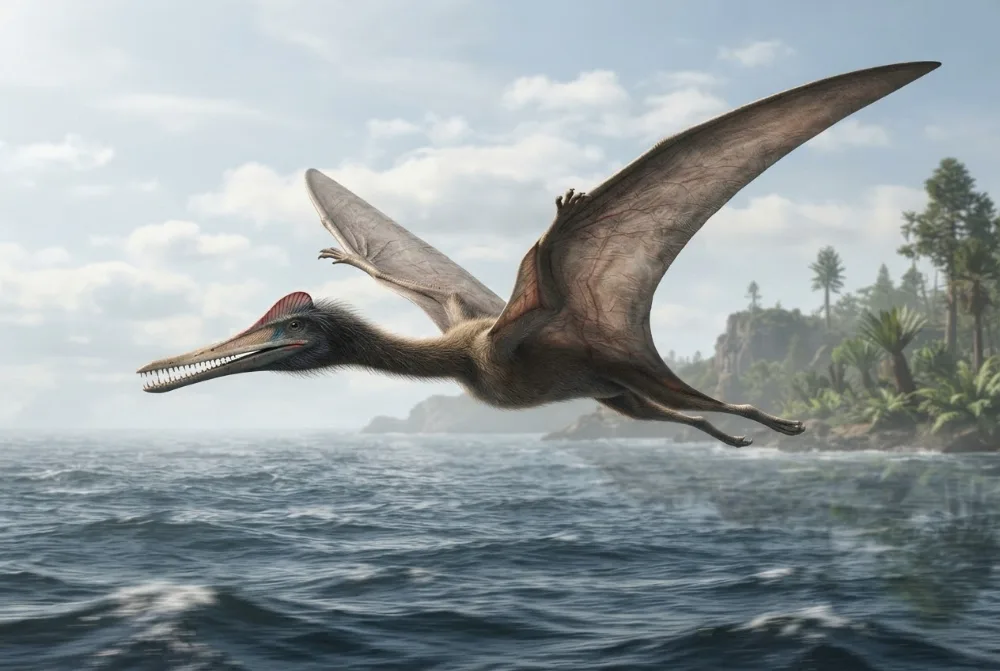
Cimoliopterus was a flying reptile that soared over the seas during the time of the dinosaurs. It had a long, toothy snout and a thin crest on its beak. It probably caught fish by swooping down and snatching them from the water.51
Berɛ bɛn na ɛtenaa ase?
Na ne kɛseɛ yɛ sɛn?
Na ne ntaban trɛ sɛn?
 ntaban trɛ sɛ sakre 3 a ɛtoatoa so⚽anka ɔbɛtumi atu atwa bɔɔlobɔ prama mũ wɔ sikɛn 5.5 mu
Cimoliopterus kɛseɛ yɛ sɛn sɛ wode toto WO ho a?
Akontaa nko ara wɔ wo browser mu. Yɛnkora biribiara so, na yɛmmfa biribiara nkɔ baabiara.
Na ɛyɛ ntɛm sɛn?


Nsɛm a ɛyɛ anigye
Cimoliopterus had a thin crest on the top of its snout that started above the fourth pair of teeth.1
The tip of its snout was small and blunt, and the front of the upper jaw sloped downward at about a 45-degree angle.1
One species, Cimoliopterus dunni, was discovered in Texas and is the first North American record of this pterosaur genus.1
It had at least 26 teeth in its upper jaw, and the first pair pointed more downward than forward.1
Nsɛm a wɔbisa bebree fa Cimoliopterus ho
?How big was Cimoliopterus?
Cimoliopterus cuvieri had a wingspan of about 3.5 metres (11 feet), and Cimoliopterus dunni was similar in size. One Cimoliopterus specimen had a wingspan of about 5 metres (16 feet).3
?What did Cimoliopterus eat?
It probably ate fish. It may have flown over the water and dipped its long jaws in to catch fish with its interlocking teeth.34
?Could Cimoliopterus fly?
Yes, it was a flying reptile. It was probably good at long-distance soaring over oceans, and its fossils are mostly found in marine rocks.3
?Why did Cimoliopterus have a crest?
Scientists are not sure. Some think the crest helped steady its jaws in the water while fishing, but it may have been for display.3
Ma dino ho animdefoɔ
- Nyansahu din
- Cimoliopterus
- Obi a ɔtoo din
- Rodrigues and Kellner 20135
- Kuo
- Wim mmoa a wɔwea
- Abusua / kuo kɛseɛ
- Pteranodontoidea5
- Nkyekyɛmu
- Pterosauria > Pterodactyloidea5
- Abotan no mfeɛ
- mfeɛ ɔpepem 100 kɔsi 90 (Cenomanian / Turonian)5
- Abotan nhyehyɛeɛ
- Britton5
- Aman
- Engiresi, Amerika5
- Fɔsil nkyerɛwee
- 2 wɔ The Paleobiology Database mu5
- Nhunumu
- The genus Cimoliopterus was named in 2013 by paleontologists Taissa Rodrigues and Alexander Kellner based on fossils from England. A second species, Cimoliopterus dunni, was described in 2015 by Timothy Myers from a partial snout found in Texas.51
- Wɔda so gye ho akyinnye
- Scientists are not sure exactly how large Cimoliopterus grew, because only parts of the skull have been found so far.1
Baabi a nsɛm no firi
- First North American occurrence of the toothed pteranodontoid pterosaur Cimoliopterus: Journal of Vertebrate Paleontology: Vol 35 , No 6 - Get Access (tandfonline.com)
- PBDB Taxon (paleobiodb.org)
- Cimoliopterus (en.wikipedia.org)
- New North American pterosaur is a Texan -- but flying reptile's closest cousin is English | EurekAlert! (eurekalert.org)
- Cimoliopterus in The Paleobiology Database (CC BY 4.0): mfeɛ, mmeaeɛ, abotan nhyehyɛeɛ, nkyekyɛmu.
Asɛm biara a ɛwɔ krataafa yi so wɔ nɔma a ɛkyerɛ baabi a ɛfiri. Sɛ yɛfom biribi a, kafra, yɛyɛ dino dɔfoɔ, yɛnyɛ nyansahu nsɛmma krataa. Ka kyerɛ yɛn wɔ [email protected] na yɛbɛsiesie.
 Ɔkɔm de Rex! Dino Wiki yɛ agya bi adwuma a ɔyɛɛ maa ne babarima a ɔdɔ dino. Ɛyɛ kwa, dawurubɔ biara nni mu, akyidifoɔ biara nni mu. Mpanimfoɔ bɛtumi ama Rex aduane kakra, na aboa ama Dino Wiki atena intanɛt so.Ma Rex aduane
 Pteranodon
 Quetzalcoatlus
 Dorygnathus
 Rhamphorhynchus
 Anhanguera
 Pterodactylus
 Tyrannosaurus
 Triceratops
 Velociraptor
 Spinosaurus
 Ankylosaurus
 Parasaurolophus