 Woyɛ dino bɛn? Nsɛmmisa agoro
 Dino ko
 Dino mmirikatuo
 Dino agodie nketewa
 Stika nwoma
 Dino TOP nhyehyɛeɛ
 Ma me nwanwa!
Concornis
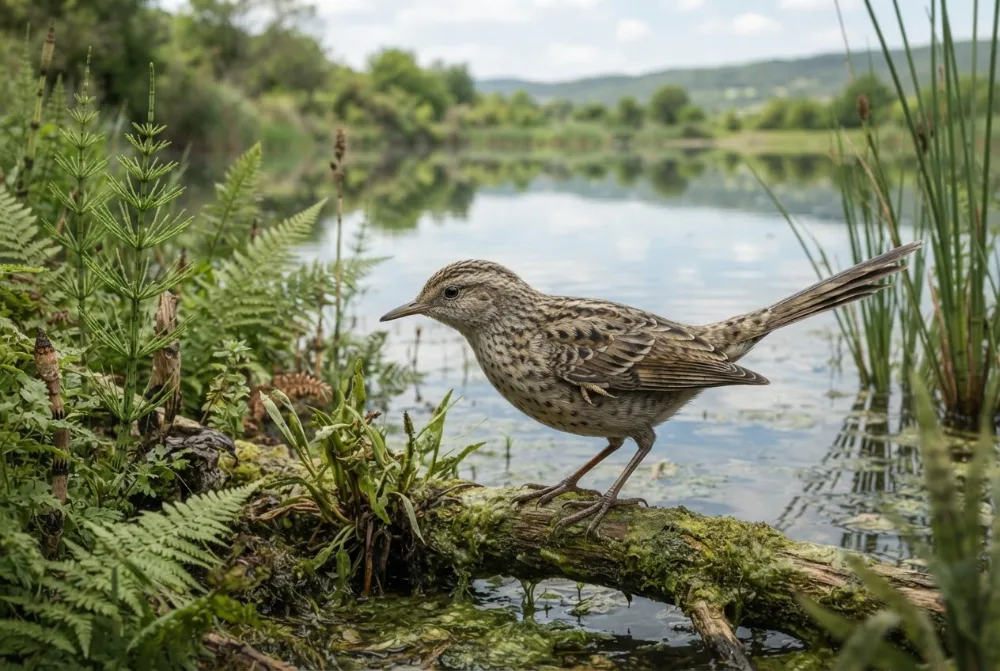
Concornis was a small, ancient bird that lived about 125 million years ago in what is now Spain. It was a great flyer, able to flap its wings fast and even do bounding flight like modern songbirds. It probably ate small insects and crustaceans near the water.23
Berɛ bɛn na ɛtenaa ase?
Na ne kɛseɛ yɛ sɛn?
Na ne ntaban trɛ sɛn?
Na ne mu yɛ duru sɛn?
Concornis kɛseɛ yɛ sɛn sɛ wode toto WO ho a?
Akontaa nko ara wɔ wo browser mu. Yɛnkora biribiara so, na yɛmmfa biribiara nkɔ baabiara.
Na ɛyɛ ntɛm sɛn?


Nsɛm a ɛyɛ anigye
Concornis was about the size of a common starling, with a wingspan of 34 centimeters (13 inches) and a weight of about 70 grams (2.5 ounces).2
It had long legs and a large hallux (back toe), which means it could both perch on branches and walk on the ground, but was not a specialist at either.2
Concornis likely had teeth in its snout instead of a beak, like most other early birds of its group.2
It probably had a long, narrow tail with a single pair of ribbon-like feathers, not a fan of feathers like modern birds.2
A 2018 study found that Concornis could do bounding flight, flapping upward then diving with wings folded, similar to woodpeckers and songbirds today.2
Concornis is the oldest and most complete member of the family Avisauridae, a group of early birds.2
Its fossils were found in an ancient lake environment, so it probably lived like a shorebird, hunting for food along the water's edge.2
Nsɛm a wɔbisa bebree fa Concornis ho
?Is Concornis a dinosaur?
Yes, Concornis is a type of bird that belongs to the dinosaur group. It is an avialan dinosaur, which means it is a very close relative of modern birds.2
?How big was Concornis?
Concornis was about the size of a common starling, with a wingspan of 34 centimeters (13 inches) and a weight of about 70 grams (2.5 ounces).2
?What did Concornis eat?
Concornis probably ate small invertebrates like insects or crustaceans. It lived near water and likely hunted for food along the shore.2
?Did Concornis have teeth?
Yes, Concornis almost certainly had teeth in its snout instead of a beak, like most other early birds of its group.2
Ma dino ho animdefoɔ
- Nyansahu din
- Concornis
- Obi a ɔtoo din
- Sanz and Buscalioni 19923
- Kuo
- Nnomaa a wɔdii kan
- Abusua / kuo kɛseɛ
- Enantiornithes3
- Nkyekyɛmu
- Theropoda > Avialae3
- Abotan no mfeɛ
- mfeɛ ɔpepem 126 kɔsi 121 (Barremian)3
- Abotan nhyehyɛeɛ
- La Huérguina3
- Aman
- Spania3
- Fɔsil nkyerɛwee
- 2 wɔ The Paleobiology Database mu3
- Nhunumu
- Concornis was named in 1992 by Spanish paleontologists José Luis Sanz and Ángela D. Buscalioni. The only known fossil was found at Las Hoyas, Spain, and is a nearly complete skeleton missing only the skull, neck, and tail tip.23
- Wɔda so gye ho akyinnye
- Scientists are not sure whether Concornis had an alula (a small feathered thumb that helps with slow flight), though it probably did because a related bird, Eoalulavis, had one.2
Baabi a nsɛm no firi
- palass.org (palass.org)
- Concornis (en.wikipedia.org)
- Concornis in The Paleobiology Database (CC BY 4.0): mfeɛ, mmeaeɛ, abotan nhyehyɛeɛ, nkyekyɛmu.
Asɛm biara a ɛwɔ krataafa yi so wɔ nɔma a ɛkyerɛ baabi a ɛfiri. Sɛ yɛfom biribi a, kafra, yɛyɛ dino dɔfoɔ, yɛnyɛ nyansahu nsɛmma krataa. Ka kyerɛ yɛn wɔ [email protected] na yɛbɛsiesie.
 Ɔkɔm de Rex! Dino Wiki yɛ agya bi adwuma a ɔyɛɛ maa ne babarima a ɔdɔ dino. Ɛyɛ kwa, dawurubɔ biara nni mu, akyidifoɔ biara nni mu. Mpanimfoɔ bɛtumi ama Rex aduane kakra, na aboa ama Dino Wiki atena intanɛt so.Ma Rex aduane
 Archaeopteryx
 Hesperornis
 Ichthyornis
 Baptornis
 Jurapteryx
 Gobipteryx
 Stegosaurus
 Iguanodon
 Giganotosaurus
 Microraptor
 Deinonychus
 Baryonyx