 Woyɛ dino bɛn? Nsɛmmisa agoro
 Dino ko
 Dino mmirikatuo
 Dino agodie nketewa
 Stika nwoma
 Dino TOP nhyehyɛeɛ
 Ma me nwanwa!
Gamatavus
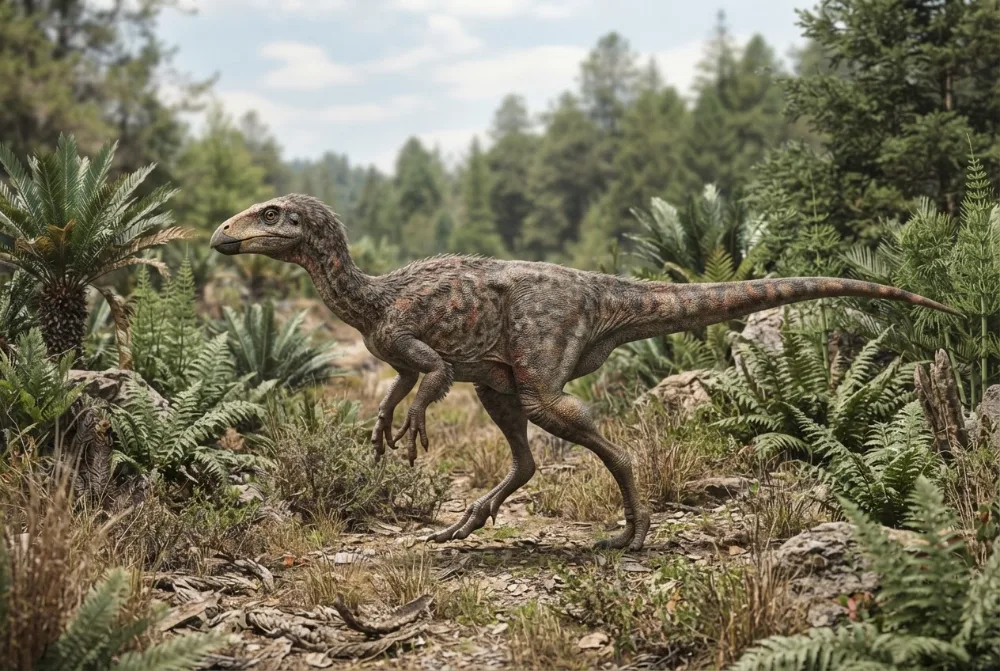
Gamatavus was a small, beaked dinosaur that lived about 240 million years ago in what is now Brazil. It walked on four legs and used its beak to munch on plants. It is one of the oldest plant-eating dinosaurs ever found in South America.14
Berɛ bɛn na ɛtenaa ase?
Na ne kɛseɛ yɛ sɛn?
Na ne tenten yɛ sɛn?
Na ne korɔn yɛ sɛn?
nsusuiɛ
Na ne mu yɛ duru sɛn?
 ne tenten te sɛ fie agyinamoa 4 firi hwene kɔsi dua🍌ne tenten te sɛ kwadu 11 a wɔde abɔ toatoa sone mu duru bɛyɛ sɛ fie agyinamoa🍌ne mu duru te sɛ kwadu 25🏃anka ɔbɛtumi atu mmirika mita 100 wɔ sikɛn 15 mu (onipa a ɔyɛ ntɛm sen biara hia 9.6)
Gamatavus kɛseɛ yɛ sɛn sɛ wode toto WO ho a?
Akontaa nko ara wɔ wo browser mu. Yɛnkora biribiara so, na yɛmmfa biribiara nkɔ baabiara.
Na ɛyɛ ntɛm sɛn?


Nsɛm a ɛyɛ anigye
Gamatavus is the oldest silesaurid dinosaur ever found in South America, living about 240 million years ago.1
Its name means 'Gama great-grandfather' because it was found at the Picada do Gama site and is an ancient relative of later dinosaurs.1
Scientists only found a partial hip bone, a leg bone, and a few backbone pieces, so they had to guess its size and shape.12
Gamatavus lived alongside large mammal-like reptiles like Dinodontosaurus and Massetognathus.1
It belonged to a group called silesaurids, which were early dinosaur relatives that often had beaks and ate plants.1
Ma dino ho animdefoɔ
- Nyansahu din
- Gamatavus
- Obi a ɔtoo din
- Pretto et al. 20224
- Kuo
- Ahabandifoɔ a wɔwɔ anomaa ano
- Abusua / kuo kɛseɛ
- Silesauridae4
- Nkyekyɛmu
- Ornithischia4
- Abotan no mfeɛ
- mfeɛ ɔpepem 241 kɔsi 237 (Ladinian)4
- Abotan nhyehyɛeɛ
- Santa Maria4
- Aman
- Brazil4
- Fɔsil nkyerɛwee
- 1 wɔ The Paleobiology Database mu4
- Nhunumu
- Gamatavus was named in 2022 by a team of scientists led by Flávio Augusto Pretto. The fossils were collected from the Picada do Gama site in southern Brazil.14
- Wɔda so gye ho akyinnye
- Scientists are not sure if silesaurids like Gamatavus were true dinosaurs or just very close dinosaur cousins.1
Baabi a nsɛm no firi
- The oldest South American silesaurid: New remains from the Middle Triassic (Pinheiros-Chiniquá Sequence, Dinodontosaurus Assemblage Zone) increase the time range of silesaurid fossil record in southern Brazil (sciencedirect.com)
- Gamatavus (en.wikipedia.org)
- Gamatavus antiquus | Dinosaur Database by DinoAnimals.com (dinoanimals.com)
- Gamatavus in The Paleobiology Database (CC BY 4.0): mfeɛ, mmeaeɛ, abotan nhyehyɛeɛ, nkyekyɛmu.
Asɛm biara a ɛwɔ krataafa yi so wɔ nɔma a ɛkyerɛ baabi a ɛfiri. Sɛ yɛfom biribi a, kafra, yɛyɛ dino dɔfoɔ, yɛnyɛ nyansahu nsɛmma krataa. Ka kyerɛ yɛn wɔ [email protected] na yɛbɛsiesie.
 Ɔkɔm de Rex! Dino Wiki yɛ agya bi adwuma a ɔyɛɛ maa ne babarima a ɔdɔ dino. Ɛyɛ kwa, dawurubɔ biara nni mu, akyidifoɔ biara nni mu. Mpanimfoɔ bɛtumi ama Rex aduane kakra, na aboa ama Dino Wiki atena intanɛt so.Ma Rex aduane
 Iguanodon
 Tenontosaurus
 Thescelosaurus
 Zalmoxes
 Camptosaurus
 Rhabdodon
 Placodus
 Lariosaurus
 Cyamodus
 Chonespondylus
 Cymbospondylus
 Cymatosaurus