 Woyɛ dino bɛn? Nsɛmmisa agoro
 Dino ko
 Dino mmirikatuo
 Dino agodie nketewa
 Stika nwoma
 Dino TOP nhyehyɛeɛ
 Ma me nwanwa!
Ɔtenaa ase
mfeɛ ɔpepem 84 kɔsi 72 a atwam4
Kretasias AwieeɛTenten
0.15 m (0.5 ft)1
Korɔn
0.07 m (0.2 ft)
nsusuiɛBerɛ bɛn na ɛtenaa ase?
Triasik
Jurasik
Kretasias

mfeɛ ɔpepem 252 a atwam20114566, ɔsoro ɛboɔ no
Na ne kɛseɛ yɛ sɛn?
Na ne tenten yɛ sɛn?
Na ne korɔn yɛ sɛn?
nsusuiɛ
🧱ne tenten te sɛ agodeɛ blɔk 5 a ɛtoatoa so🪑ketewa ara ma ɔbɛtumi afa akonnwa ase⚽anka ɔbɛtumi atu atwa bɔɔlobɔ prama mũ wɔ sikɛn 18 mu
Intiornis kɛseɛ yɛ sɛn sɛ wode toto WO ho a?
Akontaa nko ara wɔ wo browser mu. Yɛnkora biribiara so, na yɛmmfa biribiara nkɔ baabiara.
Na ɛyɛ ntɛm sɛn?
Onipa a ɔnante bɛyɛ 5 km/h (3 mph)
Abofra a ɔte sakre so bɛyɛ 12 km/h (7 mph)

Intiornis bɛyɛ 21 km/h (13 mph)
Ɔpɔnkɔ a ɔretu mmirika bɛyɛ 65 km/h (40 mph)

Kyiita bɛyɛ 100 km/h (62 mph)

nneɛma a ɛyɛ fɛ
Nsɛm a ɛyɛ anigye
1
Intiornis was the smallest enantiornithine bird known from South America, about the size of a sparrow.12
2
Its three primary toes were nearly the same length, which is unusual and helps scientists identify it.1
3
Intiornis had adaptations for perching, meaning it could grip branches with its feet.2
4
The fossil is a partial hind limb, including a right foot and part of the tibiotarsus.2
6
Intiornis lived during the Campanian age, about 83.6 to 72.2 million years ago.3
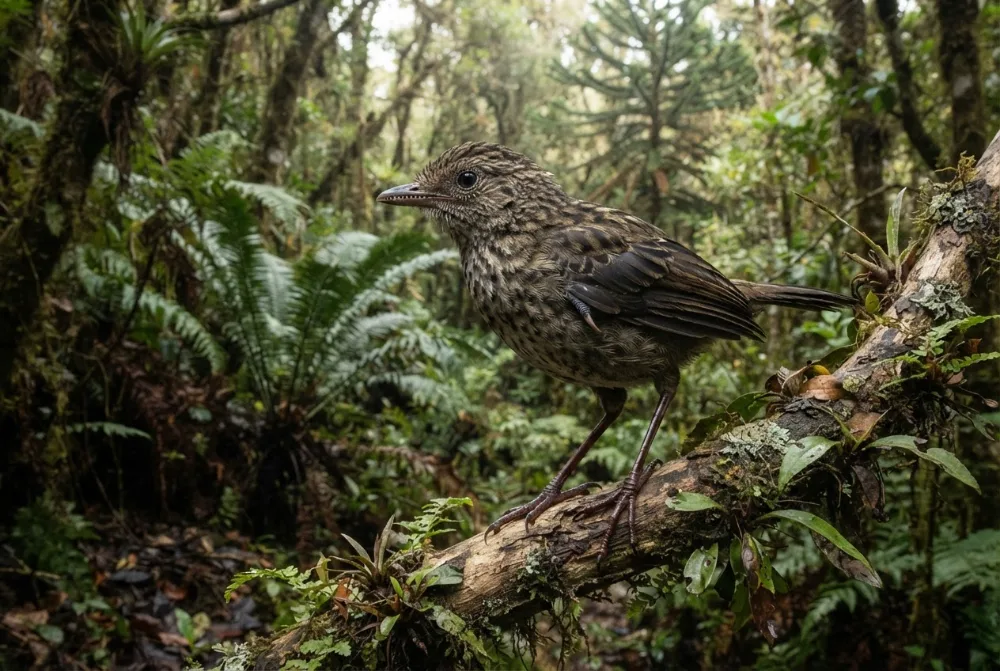
Ma dino ho animdefoɔ
- Nyansahu din
- Intiornis
- Obi a ɔtoo din
- Novas et al. 20104
- Kuo
- Nnomaa a wɔdii kan
- Abusua / kuo kɛseɛ
- Avisauridae4
- Nkyekyɛmu
- Theropoda > Avialae4
- Abotan no mfeɛ
- mfeɛ ɔpepem 84 kɔsi 72 (Campanian)4
- Abotan nhyehyɛeɛ
- Las Curtiembres4
- Aman
- Argentina4
- Fɔsil nkyerɛwee
- 1 wɔ The Paleobiology Database mu4
- Nhunumu
- Intiornis was named by Fernando Emilio Novas, Federico Lisandro Agnolín, and Carlos Agustín Scanferla in 2010. The fossil was found in the Las Curtiembres Formation in Argentina.12
- Wɔda so gye ho akyinnye
- Scientists are still debating whether birds like Intiornis competed with pterosaurs for food and space.2
Baabi a nsɛm no firi
- Intiornis (en.wikipedia.org)
- Systematic palaeontology (Vertebrate palaeontology) New enantiornithine bird (Aves, Ornithothoraces) from the Late Cretaceous of NW Argentina Un oiseau enantiornithine (Aves, Ornithothoraces) du Crétacé supérieur du Nord-Ouest de l’Argentine (sciencedirect.com)
- PBDB Taxon (paleobiodb.org)
- Intiornis in The Paleobiology Database (CC BY 4.0): mfeɛ, mmeaeɛ, abotan nhyehyɛeɛ, nkyekyɛmu.
Asɛm biara a ɛwɔ krataafa yi so wɔ nɔma a ɛkyerɛ baabi a ɛfiri. Sɛ yɛfom biribi a, kafra, yɛyɛ dino dɔfoɔ, yɛnyɛ nyansahu nsɛmma krataa. Ka kyerɛ yɛn wɔ [email protected] na yɛbɛsiesie.
 Ɔkɔm de Rex! Dino Wiki yɛ agya bi adwuma a ɔyɛɛ maa ne babarima a ɔdɔ dino. Ɛyɛ kwa, dawurubɔ biara nni mu, akyidifoɔ biara nni mu. Mpanimfoɔ bɛtumi ama Rex aduane kakra, na aboa ama Dino Wiki atena intanɛt so.Ma Rex aduane
 Archaeopteryx
 Hesperornis
 Ichthyornis
 Baptornis
 Jurapteryx
 Gobipteryx
 Tyrannosaurus
 Triceratops
 Velociraptor
 Spinosaurus
 Ankylosaurus
 Parasaurolophus