 Woyɛ dino bɛn? Nsɛmmisa agoro
 Dino ko
 Dino mmirikatuo
 Dino agodie nketewa
 Stika nwoma
 Dino TOP nhyehyɛeɛ
 Ma me nwanwa!
Berɛ bɛn na ɛtenaa ase?

Na ne kɛseɛ yɛ sɛn?
Na ne ntaban trɛ sɛn?
Na ne mu yɛ duru sɛn?
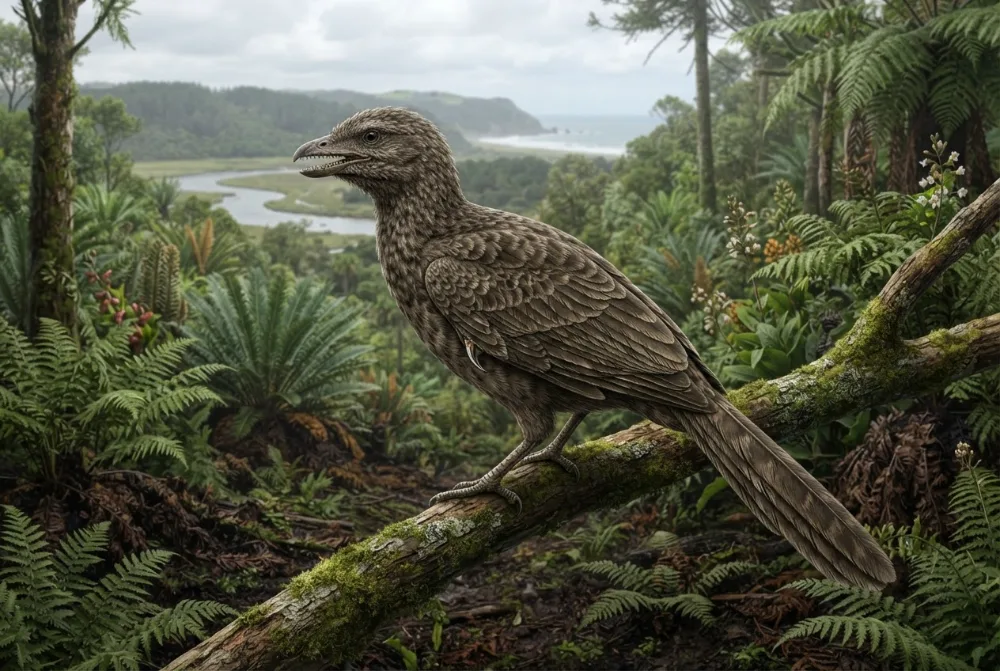
 ne tenten te sɛ fie agyinamoa 3 firi hwene kɔsi dua🪶ne mu yɛ hare sen fie agyinamoa🍌ne mu duru te sɛ kwadu 13⚽anka ɔbɛtumi atu atwa bɔɔlobɔ prama mũ wɔ sikɛn 9 mu
Janavis kɛseɛ yɛ sɛn sɛ wode toto WO ho a?
Akontaa nko ara wɔ wo browser mu. Yɛnkora biribiara so, na yɛmmfa biribiara nkɔ baabiara.
Na ɛyɛ ntɛm sɛn?


Nsɛm a ɛyɛ anigye
Janavis lived about 66.8 million years ago, just 800,000 years before the asteroid that killed the dinosaurs.1
Its wing bones were hollow and filled with air, like modern birds, making it lighter for flying.1
The fossil was found in a Belgian quarry in 2000 by an amateur fossil hunter named Rudi Dortangs.1
Janavis had a skull that could move its upper jaw up and down, a feature of modern birds called neognathous palate.1
Scientists first thought a piece of its skull was a wing bone, until a CT scan in 2021 showed the truth.1
Janavis was bigger than its relative Ichthyornis, with a wingspan of about 1.5 metres (5 feet).1
Nsɛm a wɔbisa bebree fa Janavis ho
?How big was Janavis?
Janavis was a relatively large bird, with an estimated wingspan of about 1.5 metres (5 feet) and a weight of around 1.5 kilograms (3.3 pounds).12
?Did Janavis have teeth?
Yes, Janavis had teeth. It was one of the last toothed birds to ever live.12
?When did Janavis live?
Janavis lived about 66.8 million years ago, right at the end of the Cretaceous period, just 800,000 years before the asteroid impact.1
?Could Janavis fly?
Yes, Janavis could fly. Its wing bones were hollow and filled with air, like modern birds, making it lighter for flying.1
Atosɛm sɛefoɔ
Atosɛm: All ancient birds had rigid skulls like dinosaurs.
Nokorɛ: Janavis had a flexible skull like modern chickens and ducks, showing that movable skulls evolved early.1
Ma dino ho animdefoɔ
- Nyansahu din
- Janavis
- Obi a ɔtoo din
- Benito et al. 20223
- Kuo
- Nnomaa a wɔdii kan
- Abusua / kuo kɛseɛ
- Ichthyornithes3
- Nkyekyɛmu
- Theropoda > Avialae3
- Abotan no mfeɛ
- mfeɛ ɔpepem 72 kɔsi 66 (Maastrichtian)3
- Abotan nhyehyɛeɛ
- Maastricht3
- Aman
- Bɛlgyium3
- Fɔsil nkyerɛwee
- 1 wɔ The Paleobiology Database mu3
- Nhunumu
- The fossil was collected in 2000 by amateur palaeontologist Rudi Dortangs in Belgium. It was first reported in 2002, and in 2022 scientists named it Janavis finalidens after CT scans revealed its true identity.1
- Wɔda so gye ho akyinnye
- Scientists debate whether Janavis could fly as well as modern birds, because its wing bones were very air-filled but its shoulder blade lacked a normal hook.1
Baabi a nsɛm no firi
- Janavis (en.wikipedia.org)
- Bird beak evolved before dinosaur extinction | University of Cambridge (cam.ac.uk)
- Janavis in The Paleobiology Database (CC BY 4.0): mfeɛ, mmeaeɛ, abotan nhyehyɛeɛ, nkyekyɛmu.
Asɛm biara a ɛwɔ krataafa yi so wɔ nɔma a ɛkyerɛ baabi a ɛfiri. Sɛ yɛfom biribi a, kafra, yɛyɛ dino dɔfoɔ, yɛnyɛ nyansahu nsɛmma krataa. Ka kyerɛ yɛn wɔ [email protected] na yɛbɛsiesie.
 Ɔkɔm de Rex! Dino Wiki yɛ agya bi adwuma a ɔyɛɛ maa ne babarima a ɔdɔ dino. Ɛyɛ kwa, dawurubɔ biara nni mu, akyidifoɔ biara nni mu. Mpanimfoɔ bɛtumi ama Rex aduane kakra, na aboa ama Dino Wiki atena intanɛt so.Ma Rex aduane
 Archaeopteryx
 Hesperornis
 Ichthyornis
 Baptornis
 Jurapteryx
 Gobipteryx
 Tyrannosaurus
 Triceratops
 Velociraptor
 Spinosaurus
 Ankylosaurus
 Parasaurolophus