 Woyɛ dino bɛn? Nsɛmmisa agoro
 Dino ko
 Dino mmirikatuo
 Dino agodie nketewa
 Stika nwoma
 Dino TOP nhyehyɛeɛ
 Ma me nwanwa!
Lingwulong
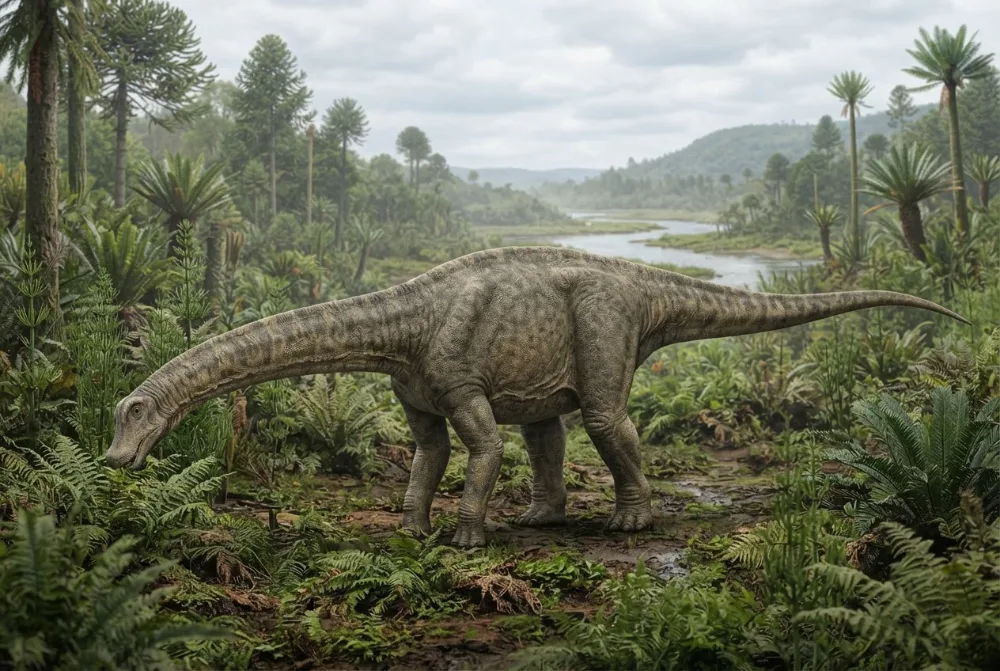
Lingwulong was a long-necked plant-eater that lived about 174 million years ago. It was one of the earliest diplodocoid sauropods ever found, and the first one discovered in East Asia. Its fossils were a big surprise to scientists!21
Berɛ bɛn na ɛtenaa ase?
Na ne kɛseɛ yɛ sɛn?
Na ne tenten yɛ sɛn?
Na ne korɔn yɛ sɛn?
nsusuiɛ
Na ne mu yɛ duru sɛn?
 ne tenten te sɛ kaa 3 a wɔde agyina toatoa so🍌ne tenten te sɛ kwadu 78 a wɔde abɔ toatoa so
 ne mu duru te sɛ asono 2🍉ne mu duru te sɛ watamɛlɔn 2200🎒ne mu duru te sɛ sukuu klaas mũ 14 mu mmofra🐻❄️ne mu duru te sɛ polar bea 24🏃anka ɔbɛtumi atu mmirika mita 100 wɔ sikɛn 24 mu (onipa a ɔyɛ ntɛm sen biara hia 9.6)
Lingwulong kɛseɛ yɛ sɛn sɛ wode toto WO ho a?
Akontaa nko ara wɔ wo browser mu. Yɛnkora biribiara so, na yɛmmfa biribiara nkɔ baabiara.
Na ɛyɛ ntɛm sɛn?


Nsɛm a ɛyɛ anigye
Lingwulong is the earliest known diplodocoid sauropod, living about 174 million years ago in the Middle Jurassic.2
It is the only definite diplodocoid dinosaur ever found in East Asia, challenging the idea that this group never lived there.1
The fossils include 7 to 10 partial skeletons, from juveniles to adults, including parts of two skulls.2
Its name means 'amazing dragon from Lingwu' because finding a dicraeosaurid in China was so unexpected.1
Lingwulong belonged to Dicraeosauridae, a group of sauropods with shorter necks and spines on their vertebrae.2
Its discovery suggests that many advanced sauropod groups spread across the world while the supercontinent Pangaea was still together.2
Nsɛm a wɔbisa bebree fa Lingwulong ho
?How big was Lingwulong?
Scientists have not given a specific length or weight for Lingwulong in the sources, so its exact size is not known. It was a diplodocoid sauropod, and many of its relatives were large, but no exact numbers are available.12
?What did Lingwulong eat?
Lingwulong was a plant-eater. As a sauropod dinosaur, it ate plants.2
Ma dino ho animdefoɔ
- Nyansahu din
- Lingwulong
- Obi a ɔtoo din
- Xu et al. 20184
- Kuo
- Kɔn tenten
- Abusua / kuo kɛseɛ
- Flagellicaudata4
- Nkyekyɛmu
- Sauropodomorpha > Sauropoda > Diplodocoidea4
- Abotan no mfeɛ
- mfeɛ ɔpepem 175 kɔsi 162 (Aalenian / Callovian)4
- Aman
- Kyaena4
- Fɔsil nkyerɛwee
- 1 wɔ The Paleobiology Database mu4
- Nhunumu
- Lingwulong was named in 2018 by Xu Xing and colleagues based on fossils found from 2005 onward in the Yanan Formation of China.21
- Wɔda so gye ho akyinnye
- Scientists are still debating whether the absence of neosauropods in the Late Jurassic of East Asia is due to real extinction or just poor fossil sampling.2
Baabi a nsɛm no firi
- Lingwulong (en.wikipedia.org)
- A new Middle Jurassic diplodocoid suggests an earlier dispersal and diversification of sauropod dinosaurs | Nature Communications (preview-www.nature.com)
- Brontosaurus Relatives Unearthed in East Asia for the First Time - AIP.ORG (aip.org)
- Lingwulong in The Paleobiology Database (CC BY 4.0): mfeɛ, mmeaeɛ, abotan nhyehyɛeɛ, nkyekyɛmu.
Asɛm biara a ɛwɔ krataafa yi so wɔ nɔma a ɛkyerɛ baabi a ɛfiri. Sɛ yɛfom biribi a, kafra, yɛyɛ dino dɔfoɔ, yɛnyɛ nyansahu nsɛmma krataa. Ka kyerɛ yɛn wɔ [email protected] na yɛbɛsiesie.
 Ɔkɔm de Rex! Dino Wiki yɛ agya bi adwuma a ɔyɛɛ maa ne babarima a ɔdɔ dino. Ɛyɛ kwa, dawurubɔ biara nni mu, akyidifoɔ biara nni mu. Mpanimfoɔ bɛtumi ama Rex aduane kakra, na aboa ama Dino Wiki atena intanɛt so.Ma Rex aduane
 Brachiosaurus
 Diplodocus
 Brontosaurus
 Argentinosaurus
 Camarasaurus
 Morosaurus
 Ichthyosaurus
 Khudiakovia
 Ophthalmosaurus
 Pterodactylus
 Peloneustes
 Rhamphocephalus