 Woyɛ dino bɛn? Nsɛmmisa agoro
 Dino ko
 Dino mmirikatuo
 Dino agodie nketewa
 Stika nwoma
 Dino TOP nhyehyɛeɛ
 Ma me nwanwa!
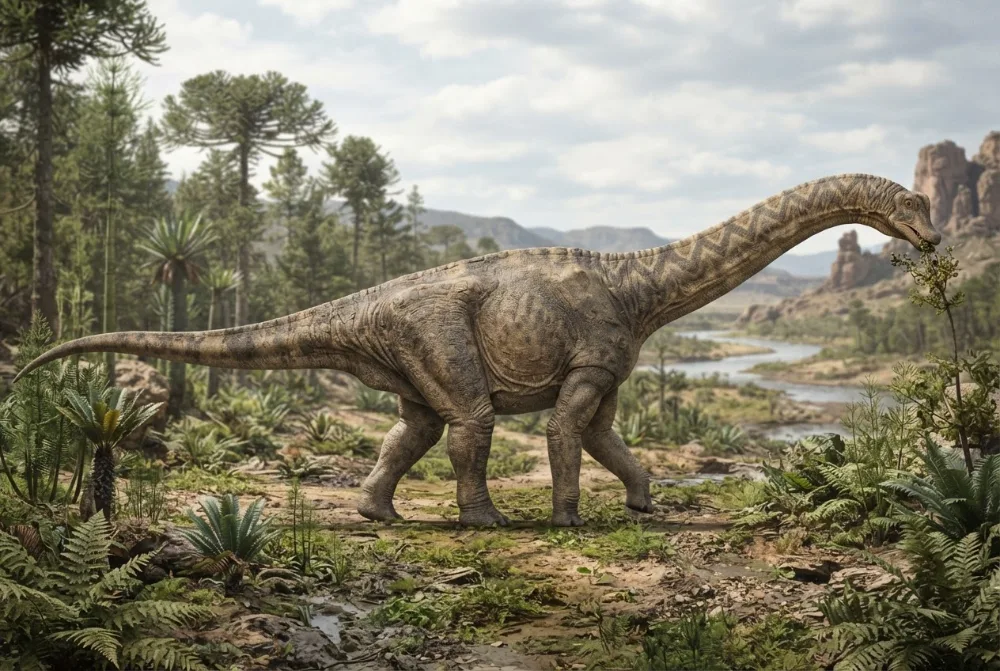
Mierasaurus
Mierasaurus was a giant long necked plant eater that lived in what is now Utah, USA. It was one of the last survivors of an older group of sauropods, the turiasaurs, that were once only known from Europe. Its fossils are some of the most complete sauropod remains ever found in North America.12
Berɛ bɛn na ɛtenaa ase?
Na ne kɛseɛ yɛ sɛn?
Na ne tenten yɛ sɛn?
Na ne korɔn yɛ sɛn?
nsusuiɛ
Na ne mu yɛ duru sɛn?
 ne tenten te sɛ kaa 2.5 a wɔde agyina toatoa so🍌ne tenten te sɛ kwadu 64 a wɔde abɔ toatoa so
 ne mu duru bɛyɛ sɛ ɔsono🍉ne mu duru te sɛ watamɛlɔn 960🎒ne mu duru te sɛ sukuu klaas mũ 6 mu mmofra🐻❄️ne mu duru te sɛ polar bea 11🏃anka ɔbɛtumi atu mmirika mita 100 wɔ sikɛn 19 mu (onipa a ɔyɛ ntɛm sen biara hia 9.6)
Mierasaurus kɛseɛ yɛ sɛn sɛ wode toto WO ho a?
Akontaa nko ara wɔ wo browser mu. Yɛnkora biribiara so, na yɛmmfa biribiara nkɔ baabiara.
Na ɛyɛ ntɛm sɛn?


Nsɛm a ɛyɛ anigye
Mierasaurus is named after Bernardo de Miera y Pacheco, the first European scientist to explore Utah in 1776.12
Its fossils were dug up from a huge bone bed covering about 5,000 square meters, like almost one and a half football fields.2
Mierasaurus is a turiasaur, a group of sauropods that scientists thought lived only in Europe until this dinosaur was found in North America.1
The type specimen is a subadult, because some bones like the vertebrae were not fully fused together.1
The Doelling's Bowl site has also produced bones of an iguanodont dinosaur and a spiky armored ankylosaur.1
Nsɛm a wɔbisa bebree fa Mierasaurus ho
?How big was Mierasaurus?
Scientists do not know its exact size yet, but it was a large sauropod. The only known skeleton is from a subadult, so it was still growing when it died.24
?What did Mierasaurus eat?
Mierasaurus was a plant eater. It had heart-shaped teeth that helped it strip leaves from plants.2
?Where was Mierasaurus found?
Its fossils were found in east-central Utah, USA, at a site called Doelling's Bowl in the Cedar Mountain Formation.24
?Is Mierasaurus a dinosaur?
Yes, Mierasaurus is a dinosaur. It is a type of sauropod, which is a long-necked, plant-eating dinosaur.2
Ma dino ho animdefoɔ
- Nyansahu din
- Mierasaurus
- Obi a ɔtoo din
- Royo-Torres et al. 20175
- Kuo
- Kɔn tenten
- Abusua / kuo kɛseɛ
- Turiasauria5
- Nkyekyɛmu
- Sauropodomorpha > Sauropoda5
- Abotan no mfeɛ
- mfeɛ ɔpepem 139 kɔsi 133 (Berriasian / Valanginian)5
- Abotan nhyehyɛeɛ
- Cedar Mountain5
- Aman
- Amerika5
- Fɔsil nkyerɛwee
- 1 wɔ The Paleobiology Database mu5
- Nhunumu
- Mierasaurus was named and described in 2017 by Rafael Royo-Torres and colleagues. They studied a mostly complete skeleton dug up at Doelling's Bowl in eastern Utah, USA, during excavations by the Utah Geological Survey starting in 2005.12
- Wɔda so gye ho akyinnye
- Scientists are not sure exactly how big Mierasaurus grew, because the only known skeleton is from a subadult that had not finished growing.1
Baabi a nsɛm no firi
- preview-www.nature.com (preview-www.nature.com)
- Mierasaurus (en.wikipedia.org)
- Mierasaurus bobyoungi | Dinosaur Database by DinoAnimals.com (dinoanimals.com)
- Descendants of the Jurassic turiasaurs from Iberia found refuge in the Early Cretaceous of western USA | Scientific Reports (nature.com)
- Mierasaurus in The Paleobiology Database (CC BY 4.0): mfeɛ, mmeaeɛ, abotan nhyehyɛeɛ, nkyekyɛmu.
Asɛm biara a ɛwɔ krataafa yi so wɔ nɔma a ɛkyerɛ baabi a ɛfiri. Sɛ yɛfom biribi a, kafra, yɛyɛ dino dɔfoɔ, yɛnyɛ nyansahu nsɛmma krataa. Ka kyerɛ yɛn wɔ [email protected] na yɛbɛsiesie.
 Ɔkɔm de Rex! Dino Wiki yɛ agya bi adwuma a ɔyɛɛ maa ne babarima a ɔdɔ dino. Ɛyɛ kwa, dawurubɔ biara nni mu, akyidifoɔ biara nni mu. Mpanimfoɔ bɛtumi ama Rex aduane kakra, na aboa ama Dino Wiki atena intanɛt so.Ma Rex aduane
 Brachiosaurus
 Diplodocus
 Brontosaurus
 Argentinosaurus
 Camarasaurus
 Morosaurus
 Stegosaurus
 Iguanodon
 Archaeopteryx
 Giganotosaurus
 Microraptor
 Deinonychus