 Woyɛ dino bɛn? Nsɛmmisa agoro
 Dino ko
 Dino mmirikatuo
 Dino agodie nketewa
 Stika nwoma
 Dino TOP nhyehyɛeɛ
 Ma me nwanwa!
Narindasaurus
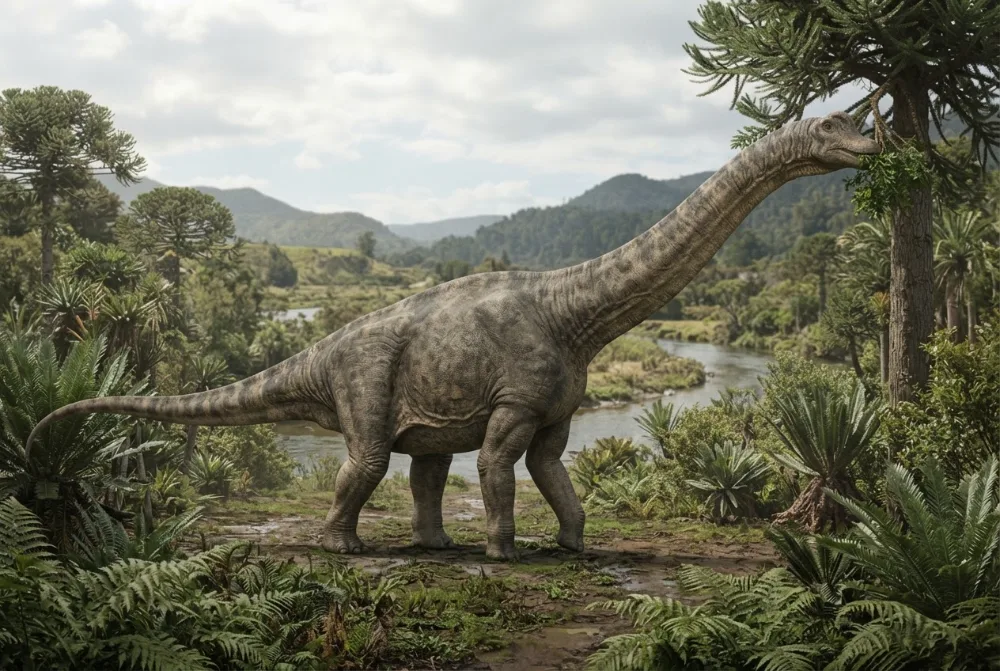
Narindasaurus was a long-necked plant-eater that lived on the island of Madagascar about 168 million years ago. It had heart-shaped teeth that helped it munch on leaves. This dinosaur is known from just one partial skeleton, but it tells us a lot about how sauropods evolved.14
Berɛ bɛn na ɛtenaa ase?
Na ne kɛseɛ yɛ sɛn?
Na ne tenten yɛ sɛn?
Na ne korɔn yɛ sɛn?
Na ne mu yɛ duru sɛn?
 ne tenten te sɛ kaa 22 a wɔde agyina toatoa so🍌ne tenten te sɛ kwadu 560 a wɔde abɔ toatoa so
 ne mu duru te sɛ asono 1.5🍉ne mu duru te sɛ watamɛlɔn 1600🦒ne korɔn te sɛ gyiraf 18 a wɔgyina wɔn ho wɔn ho so🎒ne mu duru te sɛ sukuu klaas mũ 10 mu mmofra🐻❄️ne mu duru te sɛ polar bea 18🏢ne korɔn bɛtumi ahwɛ mfɛnsere mu wɔ abansoro 34 so🏃anka ɔbɛtumi atu mmirika mita 100 wɔ sikɛn 22 mu (onipa a ɔyɛ ntɛm sen biara hia 9.6)
Narindasaurus kɛseɛ yɛ sɛn sɛ wode toto WO ho a?
Akontaa nko ara wɔ wo browser mu. Yɛnkora biribiara so, na yɛmmfa biribiara nkɔ baabiara.
Na ɛyɛ ntɛm sɛn?


Nsɛm a ɛyɛ anigye
Narindasaurus was a turiasaur, a group of sauropods that lived mainly in Europe and Africa during the Jurassic.1
Its teeth are heart-shaped, which is a special feature of turiasaurs and helped scientists identify it.1
The only known fossil includes parts of the tail, leg bones, and a tooth, found in Madagascar between 1896 and 1905.1
Narindasaurus lived during the Bathonian stage of the Middle Jurassic, about 168 to 165 million years ago.2
Its tail bones have a unique asymmetrical pit that is not seen in other dinosaurs.1
The dinosaur was named in 2020, but the fossils were first described in 1907 as belonging to a different species.1
Nsɛm a wɔbisa bebree fa Narindasaurus ho
?How big was Narindasaurus?
Scientists are not sure exactly how big it was, because only a partial skeleton has been found. Estimates suggest it was a medium sized sauropod, but more fossils are needed for a precise length.4
?What did Narindasaurus eat?
Narindasaurus was a plant-eater, or herbivore. Its heart-shaped teeth helped it munch on leaves.14
?When did Narindasaurus live?
Narindasaurus lived during the Middle Jurassic, about 168 to 165 million years ago.14
?Where was Narindasaurus found?
The only known fossil of Narindasaurus was found in the Isalo III Formation of Madagascar, near Narinda Bay.1
Atosɛm sɛefoɔ
Atosɛm: Narindasaurus is a type of Brachiosaurus.
Nokorɛ: Narindasaurus is a turiasaur, a different group of sauropods, not closely related to Brachiosaurus.1
Ma dino ho animdefoɔ
- Nyansahu din
- Narindasaurus
- Obi a ɔtoo din
- Royo-Torres et al. 20214
- Kuo
- Kɔn tenten
- Abusua / kuo kɛseɛ
- Turiasauria4
- Nkyekyɛmu
- Sauropodomorpha > Sauropoda4
- Abotan no mfeɛ
- mfeɛ ɔpepem 168 kɔsi 165 (Bathonian)4
- Abotan nhyehyɛeɛ
- Isalo III4
- Aman
- Madagaska4
- Fɔsil nkyerɛwee
- 1 wɔ The Paleobiology Database mu4
- Nhunumu
- The fossils were collected in Madagascar between 1896 and 1905 for the Muséum d'Histoire Naturelle in Paris. Armand Thevenin first described them in 1907, but the dinosaur was not named Narindasaurus thevenini until 2020 by Rafael Royo-Torres and colleagues.1
- Wɔda so gye ho akyinnye
- Scientists are still unsure exactly how big Narindasaurus grew, because only a partial skeleton has been found.2
Baabi a nsɛm no firi
- Narindasaurus (en.wikipedia.org)
- PBDB Taxon (paleobiodb.org)
- Narindasaurus thevenini | Dinosaur Database by DinoAnimals.com (dinoanimals.com)
- Narindasaurus in The Paleobiology Database (CC BY 4.0): mfeɛ, mmeaeɛ, abotan nhyehyɛeɛ, nkyekyɛmu.
Asɛm biara a ɛwɔ krataafa yi so wɔ nɔma a ɛkyerɛ baabi a ɛfiri. Sɛ yɛfom biribi a, kafra, yɛyɛ dino dɔfoɔ, yɛnyɛ nyansahu nsɛmma krataa. Ka kyerɛ yɛn wɔ [email protected] na yɛbɛsiesie.
 Ɔkɔm de Rex! Dino Wiki yɛ agya bi adwuma a ɔyɛɛ maa ne babarima a ɔdɔ dino. Ɛyɛ kwa, dawurubɔ biara nni mu, akyidifoɔ biara nni mu. Mpanimfoɔ bɛtumi ama Rex aduane kakra, na aboa ama Dino Wiki atena intanɛt so.Ma Rex aduane
 Brachiosaurus
 Diplodocus
 Brontosaurus
 Argentinosaurus
 Camarasaurus
 Morosaurus
 Ichthyosaurus
 Khudiakovia
 Ophthalmosaurus
 Pterodactylus
 Peloneustes
 Rhamphocephalus