 Woyɛ dino bɛn? Nsɛmmisa agoro
 Dino ko
 Dino mmirikatuo
 Dino agodie nketewa
 Stika nwoma
 Dino TOP nhyehyɛeɛ
 Ma me nwanwa!
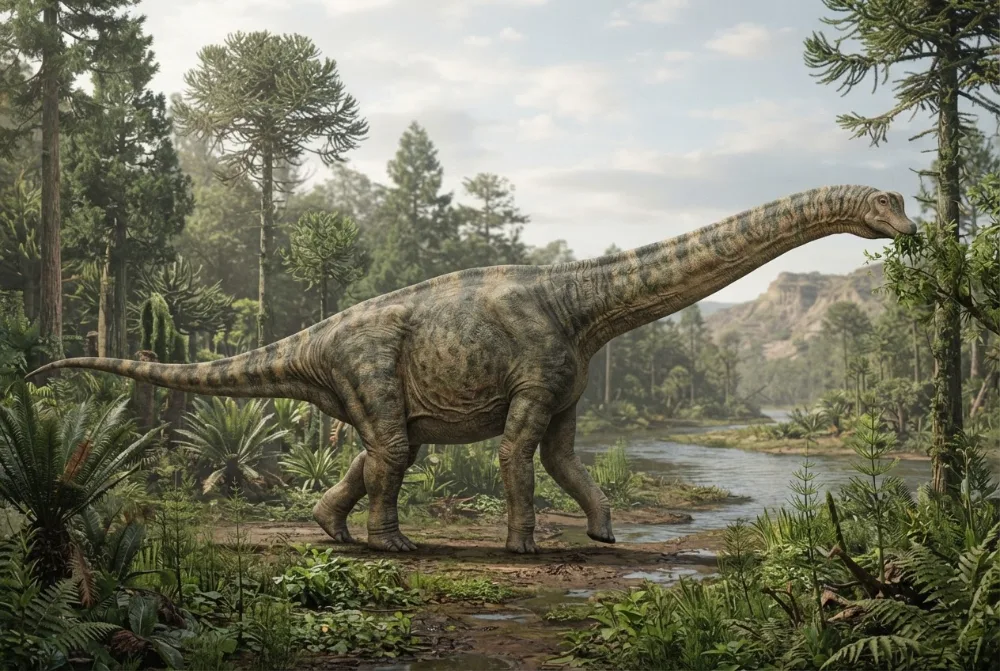
Qijianglong
Qijianglong was a giant plant-eating dinosaur with an incredibly long neck. It lived in what is now China during the Late Jurassic period, about 150 million years ago. This gentle giant used its long neck to reach high leaves that other dinosaurs couldn't eat.12
Berɛ bɛn na ɛtenaa ase?
Na ne kɛseɛ yɛ sɛn?
Na ne tenten yɛ sɛn?
Na ne korɔn yɛ sɛn?
Na ne mu yɛ duru sɛn?
 ne tenten te sɛ kaa 3 a wɔde agyina toatoa so🍌ne tenten te sɛ kwadu 83 a wɔde abɔ toatoa so
 ne mu duru te sɛ asono 1.5🍉ne mu duru te sɛ watamɛlɔn 2000🎒ne mu duru te sɛ sukuu klaas mũ 12 mu mmofra🐻❄️ne mu duru te sɛ polar bea 22🏃anka ɔbɛtumi atu mmirika mita 100 wɔ sikɛn 24 mu (onipa a ɔyɛ ntɛm sen biara hia 9.6)
Qijianglong kɛseɛ yɛ sɛn sɛ wode toto WO ho a?
Akontaa nko ara wɔ wo browser mu. Yɛnkora biribiara so, na yɛmmfa biribiara nkɔ baabiara.
Na ɛyɛ ntɛm sɛn?


Nsɛm a ɛyɛ anigye
Qijianglong had a very long neck made of 17 vertebrae, which helped it reach food high up.1
Its neck vertebrae had special finger-like extensions that stiffened the neck horizontally but allowed it to move up and down.2
The first bone was found in the early 1990s by a farmer named Cai Changming in his backyard in Sichuan, China.1
Qijianglong is the first mamenchisaurid dinosaur from the Late Jurassic of China that is clearly different from Mamenchisaurus.2
The species name 'guokr' means 'nutshell' in Chinese and honors a science social network that supported paleontology.1
Scientists think Qijianglong was a juvenile when it died, even though it was already about 15 meters (49 feet) long.1
Atosɛm sɛefoɔ
Atosɛm: Some people think all long-necked dinosaurs are the same, like Brontosaurus.
Nokorɛ: Qijianglong is a different kind of sauropod called a mamenchisaurid, with unique neck bones and a skull that set it apart from other long-necked dinosaurs.2
Ma dino ho animdefoɔ
- Nyansahu din
- Qijianglong
- Obi a ɔtoo din
- Xing et al. 20155
- Kuo
- Kɔn tenten
- Abusua / kuo kɛseɛ
- Mamenchisauridae5
- Nkyekyɛmu
- Sauropodomorpha > Sauropoda5
- Abotan no mfeɛ
- mfeɛ ɔpepem 162 kɔsi 143 (Oxfordian / Tithonian)5
- Abotan nhyehyɛeɛ
- Suining5
- Aman
- Kyaena5
- Fɔsil nkyerɛwee
- 1 wɔ The Paleobiology Database mu5
- Nhunumu
- The first vertebra was found in the early 1990s by farmer Cai Changming in his backyard. A construction site in Qijiang District uncovered more fossils in 2006, leading to the full skeleton. In 2015, scientists led by Xing Lida named the dinosaur Qijianglong guokr.1
- Wɔda so gye ho akyinnye
- Scientists debate whether the Suining Formation where Qijianglong was found is from the Late Jurassic or Early Cretaceous, so the exact age is uncertain.1
Baabi a nsɛm no firi
- Qijianglong (en.wikipedia.org)
- ARTICLE (xinglida.net)
- PBDB Taxon (paleobiodb.org)
- QIJIANGLONG - DinoChecker dinosaur archive (dinochecker.com)
- Qijianglong in The Paleobiology Database (CC BY 4.0): mfeɛ, mmeaeɛ, abotan nhyehyɛeɛ, nkyekyɛmu.
Asɛm biara a ɛwɔ krataafa yi so wɔ nɔma a ɛkyerɛ baabi a ɛfiri. Sɛ yɛfom biribi a, kafra, yɛyɛ dino dɔfoɔ, yɛnyɛ nyansahu nsɛmma krataa. Ka kyerɛ yɛn wɔ [email protected] na yɛbɛsiesie.
 Ɔkɔm de Rex! Dino Wiki yɛ agya bi adwuma a ɔyɛɛ maa ne babarima a ɔdɔ dino. Ɛyɛ kwa, dawurubɔ biara nni mu, akyidifoɔ biara nni mu. Mpanimfoɔ bɛtumi ama Rex aduane kakra, na aboa ama Dino Wiki atena intanɛt so.Ma Rex aduane
 Brachiosaurus
 Diplodocus
 Brontosaurus
 Argentinosaurus
 Camarasaurus
 Morosaurus
 Allosaurus
 Compsognathus
 Camptosaurus
 Nanosaurus
 Rhamphorhynchus
 Ceratosaurus