 Woyɛ dino bɛn? Nsɛmmisa agoro
 Dino ko
 Dino mmirikatuo
 Dino agodie nketewa
 Stika nwoma
 Dino TOP nhyehyɛeɛ
 Ma me nwanwa!
Sanxiasaurus
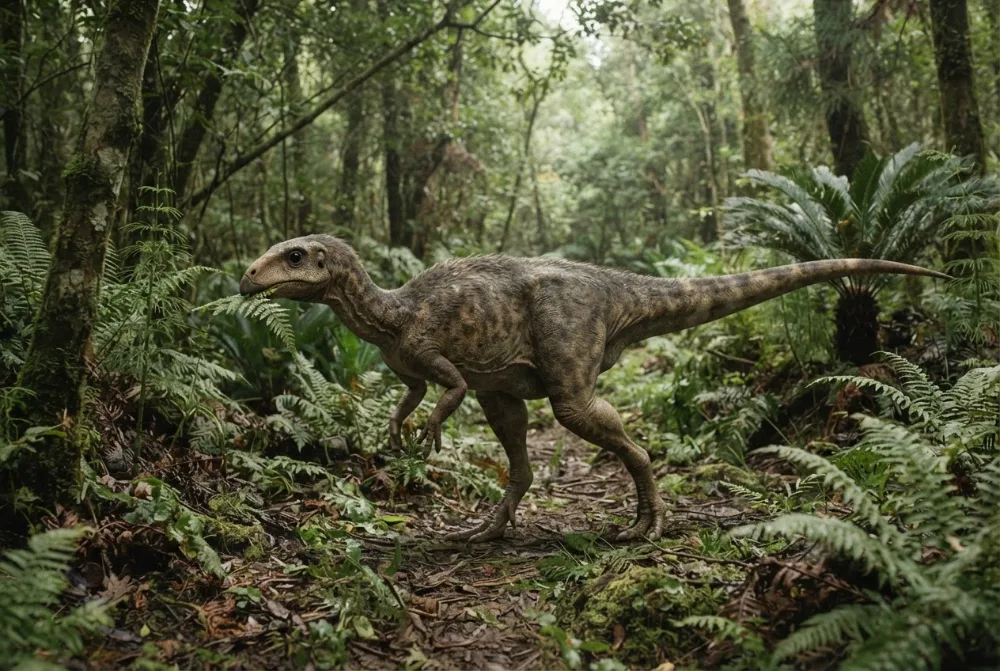
Sanxiasaurus was a small, plant-eating dinosaur that lived in what is now China about 170 million years ago. It is the oldest neornithischian dinosaur ever found in Asia. This little dinosaur probably ran on its two hind legs and used its beak to nibble on plants.13
Berɛ bɛn na ɛtenaa ase?
Na ne kɛseɛ yɛ sɛn?
Na ne tenten yɛ sɛn?
Na ne korɔn yɛ sɛn?
nsusuiɛ
Na ne mu yɛ duru sɛn?
 ne tenten te sɛ fie agyinamoa 3 firi hwene kɔsi dua🍌ne tenten te sɛ kwadu 9 a wɔde abɔ toatoa so🍌ne mu duru te sɛ kwadu 100🏃anka ɔbɛtumi atu mmirika mita 100 wɔ sikɛn 10 mu (onipa a ɔyɛ ntɛm sen biara hia 9.6)
Sanxiasaurus kɛseɛ yɛ sɛn sɛ wode toto WO ho a?
Akontaa nko ara wɔ wo browser mu. Yɛnkora biribiara so, na yɛmmfa biribiara nkɔ baabiara.
Na ɛyɛ ntɛm sɛn?


Nsɛm a ɛyɛ anigye
Sanxiasaurus is the oldest neornithischian dinosaur known from Asia, living about 170 million years ago.1
Its fossils were discovered in 2016 by a field team from the Chongqing Bureau of Geological and Mineral Resource Exploration and Development.1
The only known skeleton includes 55 bones, such as vertebrae, arm bones, leg bones, and parts of the feet.13
Scientists think Sanxiasaurus was a ground-dwelling herbivore that walked on two legs.3
Sanxiasaurus was named after the Three Gorges (Sanxia) of the Yangtze River, where it was found.1
It was a basal neornithischian, meaning it was an early relative of later plant-eating dinosaurs like Iguanodon.1
Ma dino ho animdefoɔ
- Nyansahu din
- Sanxiasaurus
- Obi a ɔtoo din
- Hu Dai et al. 20193
- Kuo
- Ahabandifoɔ a wɔwɔ anomaa ano
- Abusua / kuo kɛseɛ
- Neornithischia3
- Nkyekyɛmu
- Ornithischia3
- Abotan no mfeɛ
- mfeɛ ɔpepem 184 kɔsi 171 (Toarcian / Aalenian)3
- Abotan nhyehyɛeɛ
- Xintiangou3
- Aman
- Kyaena3
- Fɔsil nkyerɛwee
- 1 wɔ The Paleobiology Database mu3
- Nhunumu
- Sanxiasaurus was named and described in 2019 by Chinese paleontologist Ning Li and colleagues. The fossils were found in 2016 in the Xintiangou Formation of Yunyang County, Chongqing, China.1
- Wɔda so gye ho akyinnye
- Scientists are still debating exactly how Sanxiasaurus is related to other early neornithischians, such as Agilisaurus and Hexinlusaurus.1
Baabi a nsɛm no firi
- Sanxiasaurus (en.wikipedia.org)
- Sanxiasaurus modaoxiensis | Dinosaur Database by DinoAnimals.com (dinoanimals.com)
- Sanxiasaurus in The Paleobiology Database (CC BY 4.0): mfeɛ, mmeaeɛ, abotan nhyehyɛeɛ, nkyekyɛmu.
Asɛm biara a ɛwɔ krataafa yi so wɔ nɔma a ɛkyerɛ baabi a ɛfiri. Sɛ yɛfom biribi a, kafra, yɛyɛ dino dɔfoɔ, yɛnyɛ nyansahu nsɛmma krataa. Ka kyerɛ yɛn wɔ [email protected] na yɛbɛsiesie.
 Ɔkɔm de Rex! Dino Wiki yɛ agya bi adwuma a ɔyɛɛ maa ne babarima a ɔdɔ dino. Ɛyɛ kwa, dawurubɔ biara nni mu, akyidifoɔ biara nni mu. Mpanimfoɔ bɛtumi ama Rex aduane kakra, na aboa ama Dino Wiki atena intanɛt so.Ma Rex aduane
 Iguanodon
 Tenontosaurus
 Thescelosaurus
 Zalmoxes
 Camptosaurus
 Rhabdodon
 Dilophosaurus
 Stenopterygius
 Dorygnathus
 Lufengosaurus
 Scutellosaurus
 Yunnanosaurus