 Woyɛ dino bɛn? Nsɛmmisa agoro
 Dino ko
 Dino mmirikatuo
 Dino agodie nketewa
 Stika nwoma
 Dino TOP nhyehyɛeɛ
 Ma me nwanwa!
Saraikisaurus
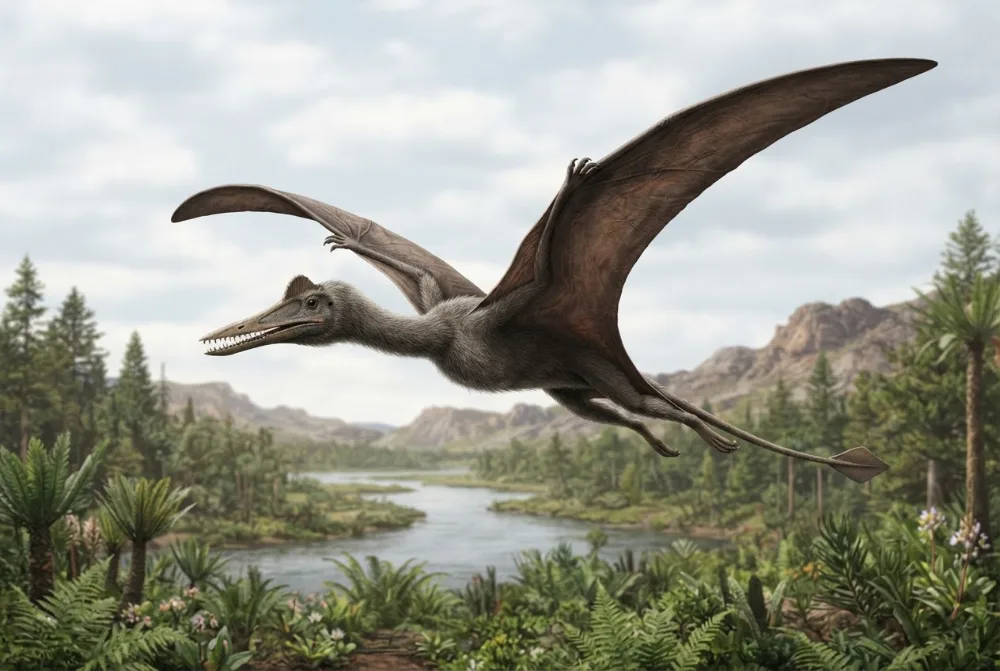
Saraikisaurus was a flying reptile that lived at the very end of the Age of Dinosaurs. It soared over what is now Pakistan, hunting fish with its beak-like jaws. Even though it looked like a dinosaur, it was actually a pterosaur, a cousin of the dinosaurs.11
Berɛ bɛn na ɛtenaa ase?
Na ne kɛseɛ yɛ sɛn?
Na ne ntaban trɛ sɛn?
 ne tenten te sɛ fie agyinamoa 3 firi hwene kɔsi dua⚽anka ɔbɛtumi atu atwa bɔɔlobɔ prama mũ wɔ sikɛn 9 mu
Saraikisaurus kɛseɛ yɛ sɛn sɛ wode toto WO ho a?
Akontaa nko ara wɔ wo browser mu. Yɛnkora biribiara so, na yɛmmfa biribiara nkɔ baabiara.
Na ɛyɛ ntɛm sɛn?


Nsɛm a ɛyɛ anigye
Saraikisaurus lived between 72 and 66 million years ago, during the Maastrichtian stage of the Late Cretaceous.1
Its fossils were found in the Vitakri Formation in Pakistan, a rock layer that was once a river floodplain.1
The only known fossil of Saraikisaurus is a lower jaw bone (mandible), which tells scientists it was a fish-eater.1
Saraikisaurus belongs to a group of pterosaurs called Pterodactyloidea, which includes many large, short-tailed flying reptiles.1
The name Saraikisaurus honors the Saraiki people and language of central Pakistan.1
Saraikisaurus was a pterosaur, not a dinosaur. Pterosaurs were flying reptiles that lived at the same time as dinosaurs.1
Nsɛm a wɔbisa bebree fa Saraikisaurus ho
?Is Saraikisaurus a dinosaur?
No, Saraikisaurus was a pterosaur, a flying reptile that lived at the same time as dinosaurs. It is not a dinosaur.4
?How big was Saraikisaurus?
Scientists are not sure of its full size because only a lower jaw bone has been found. The preserved jaw is about 5.8 cm long, and it was a large pterosaur.3
?What did Saraikisaurus eat?
Saraikisaurus was a fish-eater (piscivore). It used its beak-like jaws with teeth to catch fish.43
?When did Saraikisaurus live?
Saraikisaurus lived at the very end of the Cretaceous Period, between about 72 and 66 million years ago.4
Ma dino ho animdefoɔ
- Nyansahu din
- Saraikisaurus
- Obi a ɔtoo din
- Malkani 20144
- Kuo
- Wim mmoa a wɔwea
- Abusua / kuo kɛseɛ
- Saraikisauridae4
- Nkyekyɛmu
- Pterosauria > Pterodactyloidea4
- Abotan no mfeɛ
- mfeɛ ɔpepem 72 kɔsi 66 (Maastrichtian)4
- Abotan nhyehyɛeɛ
- Vitakri4
- Aman
- Pakistan4
- Fɔsil nkyerɛwee
- 1 wɔ The Paleobiology Database mu4
- Nhunumu
- Saraikisaurus was named by Pakistani paleontologist M. Sadiq Malkani in 2014, based on a jaw bone found in the Vitakri Formation of Balochistan, Pakistan.11
- Wɔda so gye ho akyinnye
- Scientists are not sure how big Saraikisaurus was, because only a jaw bone has been found so far.1
Baabi a nsɛm no firi
- PBDB Taxon (paleobiodb.org)
- Saraikisaurus minnhui | Pterosaur Database by DinoAnimals.com (dinoanimals.com)
- Pterosaurs from Indo-Pakistan subcontinent; Were Cretaceous pterosaurs tooth bearing? Diagnostic features of Saraikisaurus minhui a toothed, youngest and latest Cretaceous pterosaur (researchgate.net)
- Saraikisaurus in The Paleobiology Database (CC BY 4.0): mfeɛ, mmeaeɛ, abotan nhyehyɛeɛ, nkyekyɛmu.
Asɛm biara a ɛwɔ krataafa yi so wɔ nɔma a ɛkyerɛ baabi a ɛfiri. Sɛ yɛfom biribi a, kafra, yɛyɛ dino dɔfoɔ, yɛnyɛ nyansahu nsɛmma krataa. Ka kyerɛ yɛn wɔ [email protected] na yɛbɛsiesie.
 Ɔkɔm de Rex! Dino Wiki yɛ agya bi adwuma a ɔyɛɛ maa ne babarima a ɔdɔ dino. Ɛyɛ kwa, dawurubɔ biara nni mu, akyidifoɔ biara nni mu. Mpanimfoɔ bɛtumi ama Rex aduane kakra, na aboa ama Dino Wiki atena intanɛt so.Ma Rex aduane
 Pteranodon
 Quetzalcoatlus
 Dorygnathus
 Rhamphorhynchus
 Anhanguera
 Pterodactylus
 Tyrannosaurus
 Triceratops
 Velociraptor
 Spinosaurus
 Ankylosaurus
 Parasaurolophus