 Woyɛ dino bɛn? Nsɛmmisa agoro
 Dino ko
 Dino mmirikatuo
 Dino agodie nketewa
 Stika nwoma
 Dino TOP nhyehyɛeɛ
 Ma me nwanwa!
Simurghia
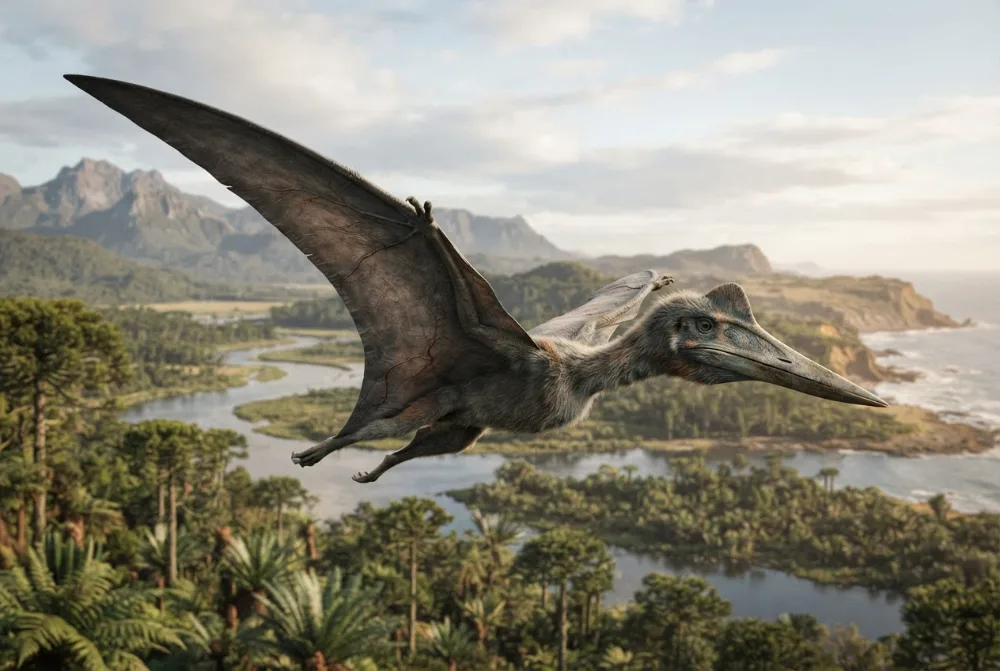
Simurghia was a big flying reptile that lived near the end of the age of dinosaurs. It had a wingspan as wide as a small car and probably soared over the ocean hunting for fish.1
Berɛ bɛn na ɛtenaa ase?
Na ne kɛseɛ yɛ sɛn?
Na ne ntaban trɛ sɛn?
 ntaban trɛ sɛ sakre 3 a ɛtoatoa so⚽anka ɔbɛtumi atu atwa bɔɔlobɔ prama mũ wɔ sikɛn 5.5 mu
Simurghia kɛseɛ yɛ sɛn sɛ wode toto WO ho a?
Akontaa nko ara wɔ wo browser mu. Yɛnkora biribiara so, na yɛmmfa biribiara nkɔ baabiara.
Na ɛyɛ ntɛm sɛn?


Nsɛm a ɛyɛ anigye
Simurghia was named in 2018 along with two other pterosaurs from the same area: Alcione and Barbaridactylus.1
Its name comes from the Simurgh, a giant bird-like creature in Persian myths.1
Simurghia lived about 66 million years ago, just before the big extinction that killed the dinosaurs.1
All known fossils of Simurghia were found during a three-year dig that uncovered about 200 pterosaur specimens.1
Simurghia was much bigger than its close relative Alcione, weighing about 560 percent more.1
The type specimen is just a single upper arm bone (humerus), but it is enough to tell this was a distinct species.1
Nsɛm a wɔbisa bebree fa Simurghia ho
?How big was Simurghia?
Simurghia had a wingspan of about 5 metres (16 feet), as wide as a small car. It weighed about 6.6 times as much as its relative Alcione.1
?What did Simurghia eat?
Simurghia was a fish-eater. It likely soared over the ocean and hunted for fish.12
?When did Simurghia live?
Simurghia lived about 66 million years ago, during the Late Cretaceous period, just before the big extinction that killed the dinosaurs.1
Ma dino ho animdefoɔ
- Nyansahu din
- Simurghia
- Obi a ɔtoo din
- Longrich et al. 20183
- Kuo
- Wim mmoa a wɔwea
- Abusua / kuo kɛseɛ
- Aponyctosauria3
- Nkyekyɛmu
- Pterosauria > Pterodactyloidea3
- Abotan no mfeɛ
- mfeɛ ɔpepem 72 kɔsi 66 (Maastrichtian)3
- Abotan nhyehyɛeɛ
- Couche III3
- Aman
- Moroko3
- Fɔsil nkyerɛwee
- 1 wɔ The Paleobiology Database mu3
- Nhunumu
- Simurghia was named in 2018 by paleontologists Nicholas Longrich, David Martill, and Brian Andres. The fossils were found in phosphate mines in Morocco.1
- Wɔda so gye ho akyinnye
- Scientists are not sure if a pterosaur from Brazil called 'Nyctosaurus' lamegoi is also a species of Simurghia.1
Baabi a nsɛm no firi
- Simurghia (en.wikipedia.org)
- A Dinosaur A Day: Simurghia (a-dinosaur-a-day.com)
- Simurghia in The Paleobiology Database (CC BY 4.0): mfeɛ, mmeaeɛ, abotan nhyehyɛeɛ, nkyekyɛmu.
Asɛm biara a ɛwɔ krataafa yi so wɔ nɔma a ɛkyerɛ baabi a ɛfiri. Sɛ yɛfom biribi a, kafra, yɛyɛ dino dɔfoɔ, yɛnyɛ nyansahu nsɛmma krataa. Ka kyerɛ yɛn wɔ [email protected] na yɛbɛsiesie.
 Ɔkɔm de Rex! Dino Wiki yɛ agya bi adwuma a ɔyɛɛ maa ne babarima a ɔdɔ dino. Ɛyɛ kwa, dawurubɔ biara nni mu, akyidifoɔ biara nni mu. Mpanimfoɔ bɛtumi ama Rex aduane kakra, na aboa ama Dino Wiki atena intanɛt so.Ma Rex aduane
 Pteranodon
 Quetzalcoatlus
 Dorygnathus
 Rhamphorhynchus
 Anhanguera
 Pterodactylus
 Tyrannosaurus
 Triceratops
 Velociraptor
 Spinosaurus
 Ankylosaurus
 Parasaurolophus