 Woyɛ dino bɛn? Nsɛmmisa agoro
 Dino ko
 Dino mmirikatuo
 Dino agodie nketewa
 Stika nwoma
 Dino TOP nhyehyɛeɛ
 Ma me nwanwa!
Ɔtenaa ase
mfeɛ ɔpepem 121 kɔsi 113 a atwam3
Kretasias MfiaseBerɛ bɛn na ɛtenaa ase?
Triasik
Jurasik
Kretasias

mfeɛ ɔpepem 252 a atwam20114566, ɔsoro ɛboɔ no
Na ɛyɛ ntɛm sɛn?
Onipa a ɔnante bɛyɛ 5 km/h (3 mph)
Abofra a ɔte sakre so bɛyɛ 12 km/h (7 mph)

Sulcavis bɛyɛ 27 km/h (17 mph)
Ɔpɔnkɔ a ɔretu mmirika bɛyɛ 65 km/h (40 mph)

Kyiita bɛyɛ 100 km/h (62 mph)

nneɛma a ɛyɛ fɛ
Nsɛm a ɛyɛ anigye
1
Sulcavis is the first bird ever found with decorated tooth enamel. Its teeth had grooves on the inside that made them stronger.12
2
It lived about 121 to 125 million years ago during the Early Cretaceous period.1
3
Sulcavis belonged to a group of ancient birds called enantiornitheans, which still had teeth and claws unlike modern birds.1
4
The fossil was found in the Yixian Formation, a famous rock layer in China that has preserved many feathered dinosaurs and early birds.1
5
Its name comes from Latin words meaning 'groove bird', because of the grooves on its teeth.1
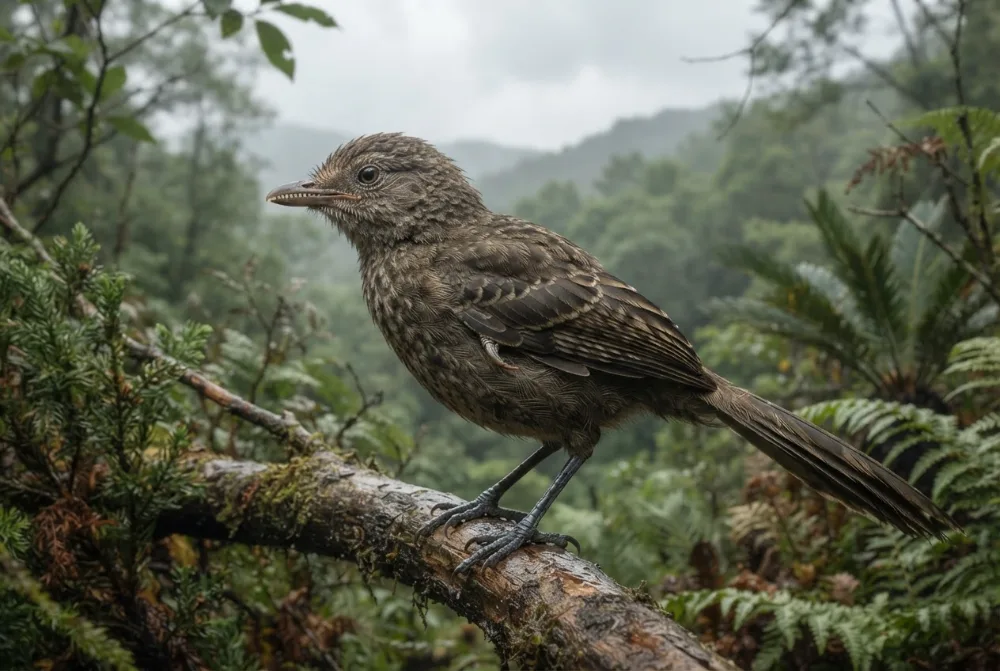
Ma dino ho animdefoɔ
- Nyansahu din
- Sulcavis
- Obi a ɔtoo din
- O'Connor et al. 20133
- Kuo
- Nnomaa a wɔdii kan
- Abusua / kuo kɛseɛ
- Bohaiornithidae3
- Nkyekyɛmu
- Theropoda > Avialae3
- Abotan no mfeɛ
- mfeɛ ɔpepem 121 kɔsi 113 (Aptian)3
- Abotan nhyehyɛeɛ
- Jiufotang3
- Aman
- Kyaena3
- Fɔsil nkyerɛwee
- 1 wɔ The Paleobiology Database mu3
- Nhunumu
- Sulcavis was named in 2013 by a team of scientists including Jingmai O'Connor. The fossil was found near Lamadong in Liaoning, China, and prepared by Maureen Walsh at the Natural History Museum of Los Angeles County.1
- Wɔda so gye ho akyinnye
- Scientists are not sure exactly what Sulcavis ate, but the strong grooved teeth suggest it could handle harder food than other early birds.12
Baabi a nsɛm no firi
- Sulcavis (en.wikipedia.org)
- A new enantiornithine from the Yixian Formation with the first recognized avian enamel specialization: Journal of Vertebrate Paleontology: Vol 33, No 1 (tandfonline.com)
- Sulcavis in The Paleobiology Database (CC BY 4.0): mfeɛ, mmeaeɛ, abotan nhyehyɛeɛ, nkyekyɛmu.
Asɛm biara a ɛwɔ krataafa yi so wɔ nɔma a ɛkyerɛ baabi a ɛfiri. Sɛ yɛfom biribi a, kafra, yɛyɛ dino dɔfoɔ, yɛnyɛ nyansahu nsɛmma krataa. Ka kyerɛ yɛn wɔ [email protected] na yɛbɛsiesie.
 Ɔkɔm de Rex! Dino Wiki yɛ agya bi adwuma a ɔyɛɛ maa ne babarima a ɔdɔ dino. Ɛyɛ kwa, dawurubɔ biara nni mu, akyidifoɔ biara nni mu. Mpanimfoɔ bɛtumi ama Rex aduane kakra, na aboa ama Dino Wiki atena intanɛt so.Ma Rex aduane
 Archaeopteryx
 Hesperornis
 Ichthyornis
 Baptornis
 Jurapteryx
 Gobipteryx
 Stegosaurus
 Iguanodon
 Giganotosaurus
 Microraptor
 Deinonychus
 Baryonyx