 Uri dhino ripi? Kwizi
 Hondo yemadhino
 Mujaho wemadhino
 Mitambo midiki yemadhino
 Arubhamu yemasitika
 Rondedzero dzeTOP dzemadhino
 Ndishamise!
Fona
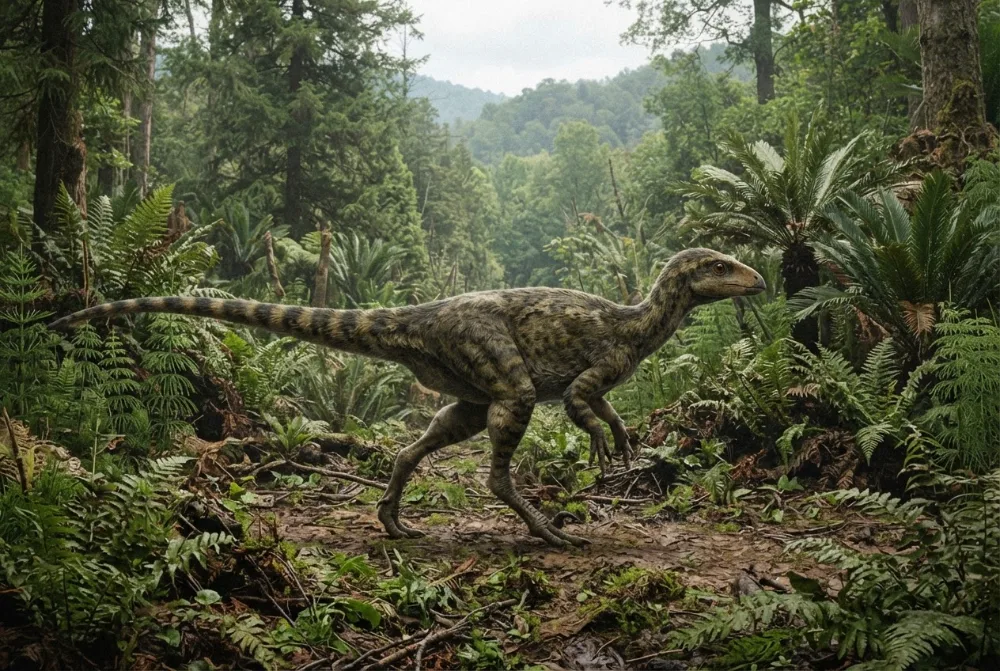
Fona was a small, plant-eating dinosaur that lived about 99 million years ago in what is now Utah. It was about the size of a large dog and spent much of its time digging and living in underground burrows. Fona's fossils are surprisingly common because it often buried itself before it died.12
Rairarama rini?
Raiva hombe sei?
Raiva refu zvakadii?
Raiva rakakwirira zvakadii?
fungidziro
Rairema zvakadii?
 kureba sekatsi dzemumba 4 kubva pamhino kusvika kumuswe🍌kureba semabhanana 12 akatevedzana🍉kurema semanwiwa 5🏃raigona kumhanya mamita 100 mumasekonzi 9.2 (munhu anomhanya kupfuura vose anoda 9.6)
Fona raiva hombe sei kana richienzaniswa NEWE?
Masvomhu chete mubrowser yako. Hapana chinochengetwa kana kutumirwa kupi zvako.
Raimhanya zvakadii?


Zvinonakidza
Fona had strong arm and hip muscles, fused pelvic bones, and large hind legs that helped it dig burrows.12
Scientists think Fona may have dug like a springhare: scratching soil loose with its front claws and kicking it away with its back legs.2
Fona's closest relative, Oryctodromeus, also burrowed, and its burrows have been found in Idaho and Montana.1
Fona skeletons are often found complete, lying chest-down with legs spread, as if they died in their burrows.1
At least two Fona skeletons have been found intertwined, which matches the idea that they shared burrows.2
Fona lived in a warm, wet floodplain with many rivers, between a huge inland sea to the east and volcanoes to the west.1
The species name herzogae honors Lisa Herzog, the paleontology operations manager at the North Carolina Museum of Natural Sciences.1
Mibvunzo inonyanya kubvunzwa nezve Fona
?How big was Fona?
About the size of a large dog.1
?Did Fona live in burrows?
Yes, scientists think Fona spent at least part of its time underground in burrows, based on its anatomy and fossils.15
?What did Fona eat?
Fona was a plant-eating dinosaur.1
?When did Fona live?
Fona lived about 99 million years ago, during the mid-Cretaceous period.1
Zvevanyanzvi vemadhino
- Zita resainzi
- Fona
- Akaripa zita:
- Avrahami et al. 20246
- Boka
- Vanodya miriwo vane miromo
- Mhuri / boka
- Thescelosauridae6
- Kurongwa kwemhuka
- Ornithischia6
- Zera rematombo
- makore mamiriyoni 100 kusvika 94 (Cenomanian)6
- Mapoka ematombo
- Cedar Mountain6
- Nyika
- Amerika6
- Zvinyorwa zvemafosiri
- 3 mu The Paleobiology Database6
- Kuwanikwa
- Fona was named in 2024 by paleontologists Haviv Avrahami, Lindsay Zanno, and colleagues from North Carolina State University and the North Carolina Museum of Natural Sciences. The first fossils were found starting in 2013 in the Mussentuchit Member of the Cedar Mountain Formation in Utah.13
- Zvichiri kupokanwa
- Scientists have not yet found the actual burrows of Fona, only the skeletons that suggest it lived underground.1
Kunobva chokwadi
- Life Underground Suited New Dinosaur Fine | NC State News (news.ncsu.edu)
- This dinosaur dug its own grave | National Geographic (nationalgeographic.com)
- PBDB Taxon (paleobiodb.org)
- The First ‘Burrowing Dinosaur’ Was Discovered In 2007—And 17 Years Later, We’ve Discovered The Second (forbes.com)
- A new semi-fossorial thescelosaurine dinosaur from the Cenomanian-age Mussentuchit Member of the Cedar Mountain Formation, Utah - PubMed (pubmed.ncbi.nlm.nih.gov)
- Fona in The Paleobiology Database (CC BY 4.0): zera, nzvimbo, mapoka ematombo, kurongwa kwemhuka.
Chokwadi chega chega papeji ino chine nhamba inoratidza kwachakabva. Kana takakanganisa chimwe chinhu, ruregerero, tiri vanoda madhino, kwete magazini yesainzi. Tiudze pa [email protected] tichazvigadzirisa.
 Rex ane nzara! Dino Wiki ipurojekiti yababa yemwanakomana wavo anoda madhino, mahara, pasina kushambadza uye pasina zvinokutevera. Vakuru vanogona kupa Rex chekudyadya kuti vabatsire kuchengeta saiti iri pamhepo.Fudza Rex
 Iguanodon
 Tenontosaurus
 Thescelosaurus
 Zalmoxes
 Camptosaurus
 Rhabdodon
 Tyrannosaurus
 Triceratops
 Velociraptor
 Spinosaurus
 Ankylosaurus
 Parasaurolophus